Category: Uncategorized

  • 10 Reasons Why Sustainable Fashion Matters

    10 Reasons Why Sustainable Fashion Matters

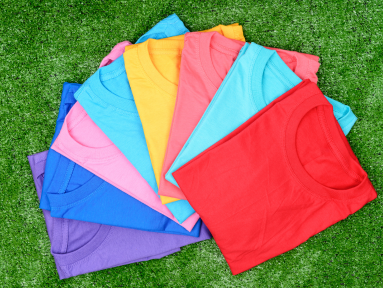
    Stack of folded colourful t-shirts on a grass background

    10 Reasons Why Sustainable Fashion Matters

    Did you know that the fashion industry contributes around 10% of global carbon emissions? As consumers become more aware of their environmental impact, sustainable fashion is gaining momentum globally, including in the UAE. The shift toward eco-friendly practices and sustainable fabric suppliers and manufacturers is more than just a trend—it is a vital step toward preserving our planet and creating a more responsible future. Here’s why sustainable fashion matters and how it can reshape the industry for the better.

    1. Reducing Environmental Impact

    Traditional fashion production is resource-intensive, consuming vast amounts of water, energy, and chemicals. Sustainable fabric manufacturers focus on reducing this impact by adopting environmentally friendly processes, such as recycling materials and minimizing water consumption. By choosing eco-conscious options, consumers can help reduce waste and pollution while contributing to the preservation of our planet’s natural resources.

    2. Supporting Fair Labour Practices

    Sustainable fashion isn’t just about protecting the environment; it also emphasizes fair labour practices. Many sustainable fabric suppliers work with manufacturers to promote safe working conditions, fair wages, and humane treatment of workers. When you buy sustainable clothing, you support brands that value employee well-being while encouraging improved labour rights and ethical practices throughout the fashion industry.

    3. Promoting Quality Over Quantity

    Sustainable fashion encourages consumers to prioritize quality over quantity by investing in fewer, well-made pieces that last longer. Fast fashion garments are often produced at low cost and may wear out quickly, creating a cycle of constant purchasing and disposal. Sustainable brands, on the other hand, focus on producing durable and timeless clothing. This not only provides better value for consumers but also helps reduce textile waste and unnecessary consumption.

    4. Reducing Water Waste

    The fashion industry is known for its significant water consumption. For example, producing a single cotton T-shirt can require thousands of litres of water. Sustainable fabric suppliers and manufacturers are developing innovative ways to reduce water consumption by recycling water, using more sustainable farming practices, and exploring alternative materials such as bamboo and hemp, which can require less water to grow than conventional cotton.

    5. Lowering Carbon Footprint

    Traditional fashion production contributes significantly to greenhouse gas emissions. Many sustainable brands aim to reduce their carbon footprint by sourcing materials responsibly, adopting energy-efficient production methods, and using lower-impact or biodegradable fabrics where appropriate. These practices can help reduce emissions and support broader efforts to address climate change.

    6. Encouraging Transparency and Accountability

    Sustainable fashion promotes greater transparency throughout the supply chain, from material sourcing to manufacturing. Many sustainable fabric manufacturers and brands are increasingly sharing information about their production processes, sourcing methods, and labour policies. This transparency helps build consumer trust and allows shoppers to make more informed decisions about the products they purchase.

    7. Inspiring Innovation in Materials

    The growth of sustainable fashion has encouraged the development of innovative materials such as Tencel, Piñatex (made from pineapple leaf fibres), and recycled polyester. These alternatives can reduce reliance on conventional resources while offering unique textures, performance characteristics, and design possibilities. Continued innovation in fabric production demonstrates how sustainable practices can help transform the fashion industry.

    8. Reducing Toxic Waste

    Traditional dyeing and finishing processes can involve chemicals that may pollute waterways and negatively affect aquatic ecosystems when poorly managed. Sustainable fabric suppliers are increasingly adopting eco-friendly dyes, non-toxic inks, and safer processing methods to reduce harmful waste. Supporting brands that use responsible production methods can help minimize the release of hazardous substances into the environment.

    9. Promoting a Circular Economy

    A circular economy in fashion focuses on recycling, reusing, repairing, and repurposing materials to extend their lifecycle. Sustainable fashion brands support this approach by offering clothing recycling programs and creating garments from reclaimed or recycled fabrics. Choosing products from sustainable fabric manufacturers committed to circular practices can help reduce textile waste and encourage a more resource-efficient lifestyle.

    10. Empowering Conscious Consumers

    Sustainable fashion empowers consumers to make purchasing decisions that reflect their environmental and social values. With an increasing number of sustainable clothing options available, shoppers can choose products that align with their concerns about environmental protection and social responsibility. By supporting sustainable brands, consumers send a clear message that ethical production and environmentally responsible practices matter. The shift toward sustainable fashion is transforming the way we think about clothing. For UAE consumers, supporting sustainable fabric suppliers and manufacturers is one way to make more responsible purchasing choices. Every decision to buy responsibly made clothing can contribute to a cleaner environment and a more ethical fashion industry. Sustainable fashion matters because it brings together style, quality, and responsibility—creating an approach that can benefit consumers, workers, businesses, and the planet.
  • How Garment Factories Can Save Up to 25% on Fabric Costs with Sustainable Practices

    How Garment Factories Can Save Up to 25% on Fabric Costs with Sustainable Practices

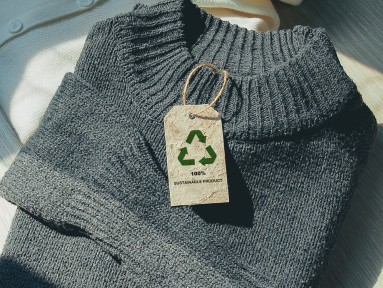
    Dark grey knit sweater with a 100% sustainable product recycle tag

    How Garment Factories Can Save Up to 25% on Fabric Costs with Sustainable Practices

    Did you know that the fashion industry generates an estimated 92 million tons of textile waste annually? The production process contributes significantly to this waste. For UAE clothing manufacturers, embracing sustainable practices can help reduce waste while creating opportunities to lower fabric costs and improve overall production efficiency. Here’s how adopting sustainable approaches can revolutionize fabric usage in garment factories while supporting global sustainability goals.

    The Problem with Fabric Waste

    Fabric waste occurs at multiple stages of garment production, from design and material selection to cutting and sewing. A significant amount—approximately 10–20% of fabric—can be lost during the cutting process alone. For UAE clothing manufacturers, this inefficiency can directly impact profitability, especially as raw material prices rise and competition increases. While fabric waste is a global issue, it is particularly relevant for businesses aiming to establish themselves as the best clothing manufacturer in the UAE. Shifting toward sustainable production practices can help reduce waste, lower operating costs, and meet the growing demand for eco-friendly products.

    Low-Waste Practices That Save Fabric

    1. Advanced Cutting Technologies

    Traditional cutting methods can result in considerable material waste. However, advanced cutting machines, combined with automated nesting software, can maximize fabric utilization. These systems analyze garment patterns and arrange them efficiently, fitting them together like puzzle pieces to reduce unused fabric. Smart cutting technology can significantly improve production efficiency and reduce material costs. Working with sustainable fabric suppliers that provide accurately measured or prepared materials can further streamline the manufacturing process.

    2. Optimized Pattern Layouts

    Effective pattern planning is another important way to minimize fabric waste. By using CAD (Computer-Aided Design) systems, manufacturers can digitally arrange garment patterns before cutting. This helps ensure maximum fabric utilization and minimal waste. CAD tools also allow manufacturers to make real-time adjustments based on different fabric widths, garment sizes, and design requirements.

    3. Efficient Material Selection

    Choosing the right fabric is essential for reducing waste. Materials such as organic cotton, recycled polyester, and bamboo can support more sustainable manufacturing practices when sourced responsibly. Working with sustainable fabric manufacturers allows factories to access eco-friendly materials that are suitable for efficient and responsible production processes.

    4. Circular Manufacturing

    Circular manufacturing, which focuses on reusing and repurposing materials, is gaining popularity in the garment industry. Fabric offcuts and scraps can be transformed into accessories, patchwork garments, reusable bags, packaging materials, and other products. UAE clothing manufacturers can adopt these practices to reduce landfill waste while creating additional value from materials that would otherwise be discarded.

    The Role of AI and Automation in Sustainability

    Artificial intelligence is transforming modern garment manufacturing. AI-powered tools can help predict material requirements, optimize pattern layouts, identify production inefficiencies, and improve resource management. AI-driven ERP (Enterprise Resource Planning) systems can also track fabric usage throughout production cycles, providing valuable insights that manufacturers can use to reduce waste and improve efficiency. As intelligent search platforms and AI-powered assistants become increasingly important, sustainable clothing brands can also benefit from optimizing their online presence. Using relevant SEO strategies and sustainability-focused content can help manufacturers become more discoverable to businesses and consumers searching for sustainable fabric suppliers and clothing manufacturers in the UAE.

    Economic Benefits of Sustainability

    The benefits of sustainable manufacturing extend beyond environmental responsibility. By reducing fabric waste, garment factories can improve production efficiency, lower material costs, and strengthen their profit margins. Sustainable manufacturing can also provide businesses with a competitive advantage. As customers increasingly consider environmental responsibility when choosing suppliers, companies that demonstrate sustainable practices can build stronger brand credibility and long-term customer relationships. For UAE clothing manufacturers, this represents a significant opportunity. With the UAE continuing to position itself as a hub for innovation and sustainability, adopting environmentally responsible production methods can support long-term business growth and resilience.

    Challenges and Solutions

    Although sustainable manufacturing offers significant benefits, the transition can present challenges. Implementing advanced cutting systems, automation, or sustainable sourcing practices may require an initial investment. However, these investments can generate long-term savings through improved material utilization, reduced waste, and greater production efficiency. They can also strengthen a company’s reputation among environmentally conscious customers. Education and employee training are equally important. Workers need to understand how to operate new technologies and implement low-waste production methods effectively. By developing a strong culture of sustainability, manufacturers can overcome these challenges and maximize the benefits of responsible production.

    A Win-Win Approach for Factories and the Environment

    Reducing fabric waste isn’t just about cutting costs—it’s about taking greater responsibility for the environment. As consumers and businesses become more environmentally conscious, they increasingly prefer manufacturers that prioritize sustainable production. For factories aiming to become the best clothing manufacturer in the UAE, adopting sustainable practices provides an opportunity to differentiate themselves in a competitive market. By working with sustainable fabric suppliers, implementing AI-driven solutions, optimizing cutting processes, and embracing circular manufacturing, garment factories can reduce waste, improve efficiency, and contribute to a greener future.

    Partner with the Best

    At Times Clothing UAE, we prioritize efficiency, quality, and sustainability throughout our manufacturing processes. By working with reliable fabric suppliers and adopting modern production technologies, we aim to deliver high-quality garments while minimizing unnecessary material waste. Looking to optimize fabric usage and improve your manufacturing efficiency? Let’s create a sustainable strategy that benefits both your business and the planet. Contact Times Clothing UAE today to learn how we can help transform your garment manufacturing processes.
  • Why Quality Matters: Investing in Durable Custom Uniforms for Long-Term Savings in the UAE

    Why Quality Matters: Investing in Durable Custom Uniforms for Long-Term Savings in the UAE

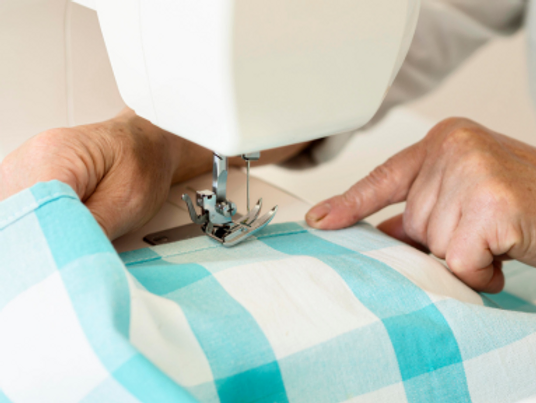
    Hands sewing a blue and white gingham fabric on a sewing machine

    Why Quality Matters: Investing in Durable Custom Uniforms for Long-Term Savings in the UAE

    Did you know that investing in durable uniforms can lead to long-term financial savings for businesses in the UAE? Upfront costs of outfitting employees may seem daunting; however, investing in high-quality, durable uniforms is a wise decision in the long run. Here is an exploration of why quality matters when it comes to uniforms in the UAE, highlighting how durable designs can lead to substantial long-term savings for businesses.

    Enhanced Longevity:

    Quality fabric and design of uniforms play a crucial role in their durability. They can withstand rigorous daily wear and tear, ensuring longevity that surpasses their cheaper counterparts. Functional designs that prioritize comfort, mobility, and safety contribute to the longevity of uniforms. Features such as reinforced stitching, double-layered pockets, and adjustable closures enhance durability and usability, especially in industries with rigorous work environments like construction, healthcare, and manufacturing.

    Reduced Replacement Costs:

    By investing in durable uniforms, businesses can significantly reduce replacement costs associated with inferior-quality garments. Instead of constantly replenishing worn-out uniforms, durable designs maintain their appearance and functionality, sparing businesses the expense of purchasing new uniforms frequently.

    Minimized Maintenance Expenses:

    Durable uniforms require minimal maintenance compared to low-quality alternatives, further contributing to long-term savings. With superior construction and materials, durable uniforms are less prone to damage and deterioration, resulting in lower repair and upkeep expenses for businesses.

    Elevated Brand Image:

    The appearance of employees reflects directly on the brand’s image and professionalism. High-quality uniforms project an aura of quality and reliability, elevating the brand’s image in the eyes of customers and stakeholders. In the competitive market of the UAE, where first impressions matter, investing in durable uniforms reinforces the brand’s commitment to excellence.

    Employee Satisfaction and Retention:

    Comfortable, well-fitting uniforms contribute to employee satisfaction and morale, fostering a positive work environment. Durable uniforms that withstand the demands of the job enhance employee comfort and confidence, ultimately leading to higher job satisfaction and improved retention rates.

    In the fast-paced business landscape of the UAE, investing in durable uniforms is a strategic decision that yields significant long-term savings and benefits. By prioritizing quality and durability, businesses can mitigate replacement costs, minimize maintenance expenses, elevate their brand image, and enhance employee satisfaction. In a competitive market where every aspect of business contributes to success, durable uniforms emerge as a smart investment that provides cost savings, brand reputation, and employee retention.

    At Times Clothing, we are dedicated to always focussing on quality and durability. Contact us at info@timesclothing.com for a full range of customized uniforms for your teams.

  • Custom Uniforms That Work: Finding the Perfect Fit for Your Industry in the UAE

    Custom Uniforms That Work: Finding the Perfect Fit for Your Industry in the UAE

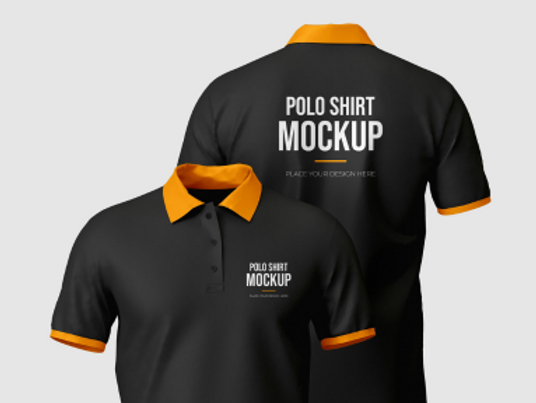
    Front and back of a black polo shirt with orange collar and trim

    Custom Uniforms That Work: Finding the Perfect Fit for Your Industry in the UAE

    Did you know that uniforms in UAE have been used for centuries to not only establish a sense of identity and professionalism but also to enhance safety and functionality in various industries? From hospitality to healthcare, uniforms play a crucial role in shaping the image and operations of businesses across different sectors. Let’s explore how companies can make the right choice to ensure their uniforms work effectively.

    Choosing the Right Fabric:

    When selecting fabrics for uniforms, businesses in the UAE must consider factors such as durability, comfort, and functionality. In industries with high-stress environments like construction and manufacturing, durable fabrics such as cotton-polyester blends or ripstop materials are ideal for withstanding wear and tear. In contrast, industries like hospitality and healthcare may prioritize fabrics that are breathable, moisture-wicking, and easy to clean, such as cotton or polyester blends with antimicrobial properties.

    Considering Climate and Environment:

    The diverse climate of the UAE—from scorching desert temperatures to cooler indoor environments—requires businesses to choose uniforms that can adapt to varying conditions. Uniforms for outdoor industries like landscaping or transportation, should offer sun protection and breathability. On the other hand, industries operating indoors such as retail or office settings may prioritize lightweight, moisture-wicking fabrics that provide comfort throughout the day. Additionally, businesses should opt for colours and designs that reflect their brand identity while remaining practical for the work environment.

    Functionality and Safety:

    In industries where safety is paramount, such as construction, logistics, and healthcare, uniforms must meet specific safety standards and regulations. High-visibility clothing with reflective tape is essential for workers in low-light conditions, and flame-resistant fabrics are crucial for those working in hazardous environments. For healthcare professionals, uniforms should include features like pockets for medical tools and accessories, as well as antimicrobial finishes to prevent the spread of germs.

    Customization and Branding:

    Uniforms can be a powerful branding tool, allowing businesses to showcase their identity and values to customers and employees. In the UAE, businesses can customize uniforms with embroidered logos, company colours, and stylish designs that align with their brand aesthetic. Whether a sleek suit for a luxury hotel concierge or a functional apron for a restaurant server, uniforms should reflect the professionalism and personality of the business while ensuring comfort and practicality for the wearer.

    Uniforms are integral to various global industries, providing a cohesive look and enhancing safety, functionality, and brand identity. By choosing the right fabric, style, and customization options, businesses can ensure that their uniforms work effectively for their industry’s unique needs. From keeping workers safe on a construction site to creating a memorable guest experience in a hotel, uniforms play a vital role in shaping the success of businesses across the UAE.

    At Times Clothing, we are dedicated to always being in trend with current fashion and client requirements. Contact us at info@timesclothing.com for a full range of customized uniforms, retail merchandise, fast fashion, and activewear. As a leading uniforms supplier and manufacturer in Dubai, we ensure excellence in every stitch, offering a seamless blend of style and sustainability.

  • 5 Key Factors to Consider When Designing Professional Uniforms in the UAE

    5 Key Factors to Consider When Designing Professional Uniforms in the UAE

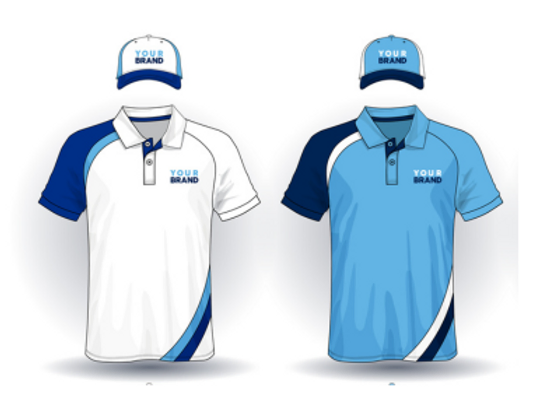
    Blue and white polo shirt and cap designs with a Your Brand logo

    5 Key Factors to Consider When Designing Professional Uniforms in the UAE

    Company uniforms are more than just clothing for employees; they embody the brand’s identity and professionalism. In the UAE’s diverse business landscape, designing uniforms requires careful consideration of various factors to ensure they are practical and aesthetic. Here are five key factors to consider when designing company uniforms in the UAE, ensuring they reflect the brand’s image while meeting the unique requirements of the local market.

    Cultural Sensitivity:

    In the culturally diverse UAE, it’s essential to design uniforms that respect local customs and traditions. Modesty, cultural sensitivities, and religious beliefs should inform and direct the design process. Opt for styles and colours that are culturally appropriate while still aligning with the brand’s identity. Acknowledging and respecting cultural diversity helps uniforms foster inclusivity and respect among employees.

    Climate Adaptability:

    Given the UAE’s hot and humid climate, climate adaptability is one of the primary considerations for uniform design. Choose lightweight, breathable fabrics that provide comfort and ventilation, even in extreme temperatures. Additionally, consider incorporating moisture-wicking properties and UV protection to enhance employee comfort and well-being.

    Brand Representation:

    Company uniforms are a powerful branding tool. They offer a visual representation of the brand’s identity and values. When designing uniforms, ensure they reflect the brand’s image, colours, and logo prominently. Consistency in branding across uniforms reinforces brand recognition and fosters a sense of unity among employees, both internally and externally.

    Functionality and Comfort:

    Practicality and comfort are paramount when designing company uniforms in the UAE. Employees should feel comfortable and unrestricted while performing their duties, whether in office settings, retail environments, or outdoor worksites. Prioritize functionality by incorporating features like pockets, adjustable closures, and durable stitching to enhance usability and durability.

    Regulatory Compliance and Industry Requirements:

    Compliance with local regulations and standards is essential when designing company uniforms in the UAE. Familiarize yourself with industry-specific regulations and unique requirements, safety standards, and guidelines governing uniform design and usage. For example, in the healthcare sector, uniforms must adhere to strict hygiene standards and allow for ease of movement, while in the hospitality industry, uniforms should exude elegance and professionalism. Ensure uniforms meet safety requirements, such as high-visibility apparel for workers in hazardous environments, to protect employees and mitigate risks.

    Designing company uniforms in the UAE requires careful consideration of cultural sensitivities, climate adaptability, brand representation, functionality, and regulatory compliance. Prioritizing these key factors, businesses can create uniforms that reflect their brand identity and enhance employee comfort, safety, and professionalism. In the competitive landscape of the UAE, well-designed uniforms also serve as a visual representation of the brand’s values and commitment to excellence, contributing to overall brand success and employee satisfaction.

    At Times Clothing, we are dedicated to always being in trend with current fashion and client requirements. Contact us at info@timesclothing.com for a full range of customized uniforms, retail merchandise, fast fashion, and activewear. As a leading uniforms supplier and manufacturer in Dubai, we ensure excellence in every stitch, offering a seamless blend of style and sustainability.

  • The Cheap Labour Myth

    The Cheap Labour Myth

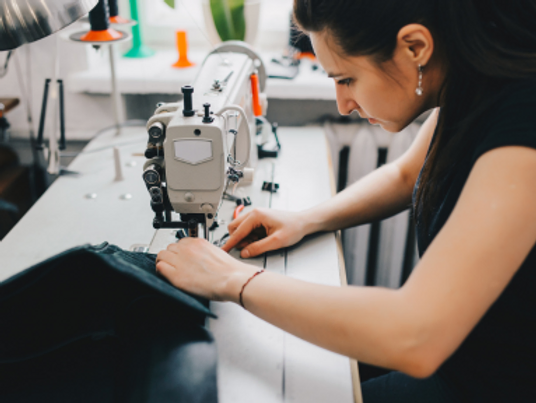
    Woman sewing a dark garment at an industrial sewing machine

    The Cheap Labour Myth

    For years together, affordable fashion has made us picture sweatshops – a cluster of underpaid workers working in uncomfortable conditions. There was a time when this might have been true, albeit 50 years ago. Today, the industry has, to a large degree, upgraded and vastly improved in many garment-exporting countries. We are now in a new consumer-dominated industry, and the players must learn to meet consumers’ demands.

    Yes! Everybody wants lower retail prices, but research reveals that very few consumers are willing to buy poorly made, unappealing clothing to save a few dollars. More importantly, affordably priced garments do not depend on low-cost labour. Consider the mass market. Traditionally, this sector was all about cheap commodities such as jeans, T-shirts, hoodies, etc., that were produced, particularly in Bangladesh, at low wage rates that were the most inexpensive among all key garment exporting countries.

    However, cheap commodities are on the way out in the new phase. According to a recent survey, the decline in US imports by 26% – 32% has led to a downfall of the factories and their entire national industries that still rely on cheap labour. Retailers who try to increase consumer demand by reducing retail prices or by offering poor quality and cheap fabric are in trouble. This is a global problem affecting everybody everywhere. In this new industry, nobody is immune. H&M, the brand that followed the low-price strategy, seems to have become a more expensive version of SHEIN. SHEIN, as a brand, continues to provide the H&M consumer with more variety and cheaper clothing.

    The declining mass-market commodity sector is being replaced by the mass-market fashion sector, such as SHEIN and Temu. Their garments, produced in China, entail wage rates four times that in Bangladesh. The cost difference is not the labour rate but China’s better factory management, organization, worker training and higher productivity.

    The problem for Bangladesh and the other mass market commodity makers is that they cannot move from commodity to fashion. The mass market commodity factory produces 1-3 orders per month.

    Each order may be as large as 1,000,000. The factory is geared to produce a single basic product. In contrast, the mass market fashion factory must produce 100-300 orders per month, each order typically 1000-5000 pieces. The factory must be flexible and equipped to manufacture a wide range of products. To survive the mass market, commodity factories must change. Regrettably, factory owners are yet to accept the need to change. The global garment industry is shrinking. Old-fashioned brand loyalty is disappearing.

    Both retailers and their factory suppliers must move fast to meet consumers changing demands. Gradually, a failure to meet the needs of the future will be equal to a failure to survive. In the new consumer-dominated industry, successful retailers and their suppliers must accept that raising their standards is essential for survival. The good news for those willing to accept and embrace change is that the consumer will pay more, but only for quality make and design.

    In today’s clothing industry, Times Clothing is a leader in quality and style. While old-fashioned cheap clothes are becoming less popular, Times Clothing is focusing on making fashionable clothes that people love. They’re adapting to what customers want, making sure their clothes are well-made and look great. Times Clothing is showing that in this changing industry, good quality is what really matters.

    See how our factory works.

  • Why it isn’t easy to find a good fit at Retail Stores

    Why it isn’t easy to find a good fit at Retail Stores

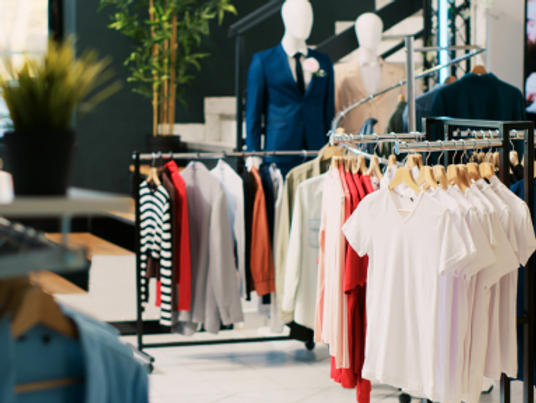
    Clothing store with t-shirt racks and suited mannequins in the background

    Why it isn’t easy to find a good fit at Retail Stores

    Ever experienced the sizing woe? It is a horrifying experience on your shopping spree when you try on a style only to realize that your usual size doesn’t fit.  In a market sprawling with retail giants one might assume that finding the perfect-fitting garment would be a breeze. The reality, however, is far from this notion.  You are not the only one rushing out of the store, thinking you’ve put on a few pounds. Shoppers across the globe often find themselves grappling with the frustrating challenge of finding clothes that truly fit their unique body shapes and sizes. 

    Here’s why retail store apparel doesn’t fit well any more:

    1. Standardization vs. Diversity: One of the primary issues lies in the industry’s obsession with standardized sizing. Retail giants have reduced the choice of sizes to a standard range beginning with XS up to XXXXXL or size 4 up to 20. This approach neglects the diverse spectrum of body shapes and sizes that make up their customer base. The reality is that bodies come in all shapes and proportions, making it impossible for a single sizing chart to cater to everyone’s needs. The result is a hoard of ill-fitting garments that fail to flatter individual figures.

    2. Vanity Sizing Confusion: Vanity sizing, the practice of labelling larger sizes with smaller numbers to boost customer satisfaction, adds another layer of complexity. Shoppers may find themselves swinging between sizes, unsure of which one truly fits their actual measurements. This inconsistency in sizing across brands and even within the same store results in you purchasing different sizes at different brands, never realizing your correct size.

    3. Quality vs. Quantity Dilemma: But why are brands ignoring customer convenience? The answer is simple – mass production. Pursuing mass production and low-cost manufacturing, many large retail stores compromise on the quality of materials and craftsmanship. This compromise affects the durability of the garments, the drape and the fit. 

    4. Limited In-Store Tailoring Services: While some high-end boutiques offer in-store tailoring services, most large retail stores fall short in this department. Providing tailoring services can significantly enhance the customer experience by allowing shoppers to customize their purchases to suit their unique body shapes. Unfortunately, the absence of such services in most retail chains contributes to the struggle to find clothes that fit perfectly off the rack.

    There was a time when brands and stores recognized that different people have different shapes, and stores had diverse label divisions catering to those different shapes. To ensure a good fit, the product development process included highly skilled patternmakers and graders to check each pattern piece to calculate different sizes. Management recognized that both patternmaking and grading were near-art forms that went hand-in-hand with the design. To ensure that fit and size met the needs of different people, brands and stores opened separate retail divisions. 

    The four most common size categories for women were:

    1. Ladies: The average customer: Sizes 4-18

    2. Juniors: Teenagers up to age 17: Girls: Sizes 3-17

    3. Women: Large sizes for tall women with good figures: Sizes 38-48

    4. Petits: Large sizes for short women: Sizes 14 ½ – 28 ½.

    These different divisions also allowed for designs best suited for each customer group. 

    Additionally, most stores offered alterations at a small charge for women but free for men.

    What happened? Where did perfect fit go?

    The answer is simple. Good fit went the same way as interesting design. Today’s brands and stores believe neither design nor fit is worth the investment. 

    However, we can still redefine the landscape of retail fashion and make elusive fit a reality. Consumers can collectively advocate for more inclusive sizing practices, demand transparency in sizing information, and support brands that prioritize quality and individualized customer experiences.

    In the midst of the retail industry’s struggles with sizing woes and mass production, Times Clothing, known for its quality and style, hasn’t been immune. Despite its heritage of catering to diverse body shapes, pressures for standardized sizing persist. Nevertheless, Times Clothing remains committed to its values, aiming to redefine the standards of fit in retail fashion.

    If you want clothing made to fit your customers, see how we help startups and private label brands.

  • T-Shirt Trends And Fabrics In 2024

    T-Shirt Trends And Fabrics In 2024

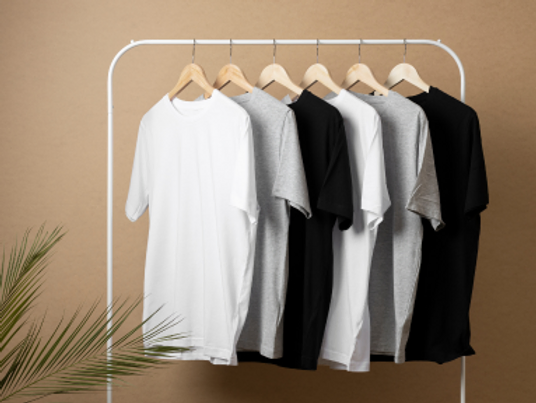
    White, grey and black t-shirts hanging on a rail

    T-Shirt Trends And Fabrics In 2024

    From being the daily basic to passing off as a fancy style statement, t-shirts in Dubai are a wardrobe essential. In the dynamic world of fashion, the timeless t-shirt adapts to the shifting cultural landscapes and effortlessly embodies diverse trends. As we delve into the fabric of these trends, 2024 marks a pivotal year where conscious fashion takes centre stage. Sustainable fabrics, woven from the threads of eco-conscious innovation, are set to redefine the t-shirt arena. In 2024, you can expect a harmonious mix of elevated comfort, bold expressions and an unwavering commitment to sustainability.

    From organic cotton to innovative blends of recycled materials, sustainable fabrics embrace comfort and champion environmental responsibility. But it is not just about the materials – the fits and finishes are crucial in shaping the narrative in 2024. Picture effortless silhouettes tailored to perfection, coexisting with the revival of nostalgic ’70s and ’90s styles, creating a canvas that blends the best of the past and the present. Here’s what else will be trending:

    1. Recycled Fabrics: Sustainable fabrics result from recycling pre-consumer and post-consumer waste materials like discarded textiles, fibres and other synthetic materials. They are collected, processed, and spun into new yarns. They are a great way to reduce waste and environmental impact, as they require less energy and water to produce than virgin materials and help extend the life of clothing.

    2. 100% Organic Cotton: Organic cotton is cultivated through organic practices, abstaining from synthetic pesticides, insecticides and genetically modified organisms. Organic cotton farming reduces environmental impact, maintains soil fertility and preserves biodiversity. This sustainable approach extends to water conservation, promoting efficient irrigation methods.

    3. Airlume And Ringspun Cotton: This premium blend of cotton characterizes a luxurious feel. The Airlume combing process removes shorter fibres and impurities, leaving behind longer, refined fibres. Combining airlume combed fibres with ring spinning produces a finer yarn, yielding an exceptionally soft and durable fabric known for its comfort, breathability and enhanced printability.

    4. Oversized And Boxy Fits: A rise in silhouette shift for versatile style includes oversized and boxy t-shirt fits, offering a blend of comfort and style. The design often features dropped shoulders, wider sleeves and a length that extends past the waistline for that oversized feel.

    5. Graphic Tees: Emerging as a canvas for self-expression and a symbol of 2024’s contrasting trends, graphic t-shirts will make a resurgence, reflecting the desire for bold statements and individuality. Stonewashed and tie-dye fabrics will inject a sense of nostalgic vibrancy reminiscent of the ’70s and ’90s.

    At Times Clothing, we are dedicated to always being in trend with current fashion, fashion, and client requirements. Our dedication to quality, sustainability, and traditional techniques sets us apart in the fashion industry. Our custom t-shirts in Dubai collection covers Crew Neck, V Neck, Oversized, Raglan, Slub, Henley, Performance, etc. We also customize with embroidery or printing to meet our customer’s needs. These are all catered to and individually packed at our Dubai, UAE unit. Contact us at info@timesclothing.com for a full range of customized uniforms, retail merchandise, fast fashion, and activewear. As a leading t-shirt supplier in Dubai and t-shirt manufacturer in Dubai, we ensure excellence in every stitch, offering a seamless blend of style and sustainability.

  • The Art of Manufacturing Custom Hoodies

    The Art of Manufacturing Custom Hoodies

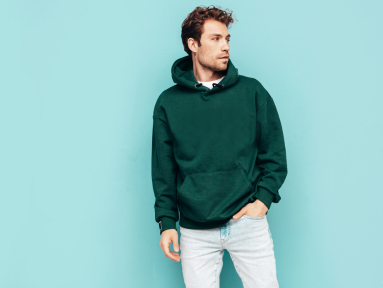
    Man wearing a dark green pullover hoodie against a light blue background

    The Art of Manufacturing Custom Hoodies

    Hoodies have evolved from casual loungewear into a modern fashion staple, combining comfort, functionality, and personal style. Whether for personal use, corporate branding, events, or retail collections, custom hoodies offer a versatile way to create a distinctive look.

    In the UAE, businesses, sports teams, schools, creators, and individuals are increasingly exploring customized hoodies to express their identity and strengthen their branding.

    Here’s how Times Clothing UAE can help you create custom hoodies tailored to your design, branding, and production requirements.

    Why Custom Hoodies Are a Modern Fashion Staple

    Hoodies are no longer limited to gym wear or casual clothing. They have become a versatile canvas for self-expression, team identity, and brand visibility. From start-ups to established businesses, organizations can use custom hoodies to create a consistent and recognizable appearance.

    In the UAE, custom-designed hoodies can be used by companies, sports teams, schools, event organizers, fashion brands, and individuals. A personalized hoodie combines comfort and creativity while giving you an opportunity to showcase your logo, artwork, slogan, or other design elements.

    Key Features of Custom Hoodies at Times Clothing UAE

    1. Quality Materials

    A great hoodie starts with the right fabric. At Times Clothing UAE, businesses can explore durable and comfortable materials when creating custom hoodies.

    Depending on the intended use, fabric options can include cotton, cotton blends, fleece, and other suitable materials. Choosing the right fabric helps balance comfort, durability, appearance, and performance.

    2. Printing and Embroidery Options

    Whether you want bold graphics, subtle logos, or detailed embroidery, the right customization method can bring your design to life.

    Depending on your requirements, options can include screen printing, digital printing, and embroidery. Each technique offers different benefits based on the design, garment, quantity, and desired finish.

    3. Flexible Customization

    Custom hoodies can be adapted to suit your brand or personal style. Choose colours, designs, fits, and styles that match your requirements.

    You can also explore different hoodie formats, including pullover and zip-up styles, along with features such as pockets and custom branding elements.

    4. Small and Large-Scale Production

    Whether you need hoodies for a small group, a corporate team, an event, or a larger retail collection, production requirements can be tailored to the order.

    For larger orders, planning quantities, sizes, colours, artwork, and production timelines in advance can help maintain consistency throughout the collection.

    Why Businesses Choose Custom Hoodies

    Custom hoodies can be a useful addition to a business’s branding and promotional strategy.

    1. Brand Visibility: A well-designed hoodie featuring your logo or brand identity can increase visibility whenever employees, customers, or supporters wear it.

    2. Team Unity: Matching hoodies can create a stronger sense of belonging among employees, sports teams, students, or event participants.

    3. Memorable Merchandise: Branded hoodies can be offered as promotional merchandise, employee gifts, event merchandise, or retail products.

    If you want to buy custom hoodies in the UAE, Times Clothing can help you explore suitable fabrics, designs, customization methods, and production options.

    Custom Hoodies for Personal Use

    Custom hoodies are not just for businesses. Individuals and groups can also use personalized apparel to express their creativity and create memorable designs.

    Whether you are planning a group trip, celebrating a milestone, organizing an event, or simply creating a unique addition to your wardrobe, customized hoodies offer plenty of creative possibilities.

    You can even create a custom hoodie featuring your favourite artwork, slogan, illustration, or personal design.

    Exploring Sustainability in Hoodie Manufacturing

    As interest in responsible fashion continues to grow, material selection and efficient manufacturing are becoming increasingly important.

    At Times Clothing UAE, we can help businesses explore options that support their sustainability objectives, including:

    • Sustainable Fabrics: Explore materials from suitable sustainable fabric suppliers based on your project requirements.

    • Efficient Fabric Cutting: Optimized cutting patterns can help improve fabric utilization and reduce unnecessary waste.

    • Responsible Production: Efficient production planning can help minimize excess materials and improve resource utilization.

    The right sustainability approach depends on the materials, manufacturing processes, certifications, and supply chain involved.

    Tips for Designing the Perfect Custom Hoodie

    1. Define Your Purpose: Decide whether the hoodie is for branding, merchandise, an event, gifting, or personal use.

    2. Choose the Right Material: Select a fabric based on comfort, climate, durability, and intended use.

    3. Create a Strong Design: Use logos, graphics, typography, or colours that complement your brand or personal style.

    4. Consider Longevity: Choose designs and materials that remain relevant and wearable over time.

    5. Select the Right Customization Method: Consider screen printing, digital printing, or embroidery based on your artwork and desired finish.

    At Times Clothing UAE, our team can help you explore suitable hoodie styles, fabrics, and customization options based on your requirements.

    Why Choose Times Clothing UAE for Custom Hoodies?

    • Industry Experience: Our experience in apparel manufacturing helps us understand different garment and customization requirements.

    • Customization Options: Explore different fabrics, colours, designs, fits, printing methods, and embroidery options.

    • Quality-Focused Production: Consistency and attention to detail are important throughout the manufacturing process.

    • Reliable Support: Our team can assist with product selection, customization, sampling, and production planning.

    Create Custom Hoodies That Represent Your Brand

    Custom hoodies are more than just clothing. They can represent identity, creativity, team spirit, and brand personality.

    Whether you are a business looking to increase brand visibility or an individual creating a unique design, Times Clothing UAE can help you explore custom hoodie solutions based on your requirements.

    As one of the clothing manufacturers in the UAE, we can support you with customized apparel solutions designed around your brand, audience, and intended use.

    Ready to create your custom hoodies? Contact Times Clothing UAE today to discuss your requirements and bring your ideas to life.

    Make your mark with Times Clothing UAE—where comfort meets creativity.
  • Behind the Seams: Exploring the Art and Craftsmanship of Our Clothing Manufacturing

    Behind the Seams: Exploring the Art and Craftsmanship of Our Clothing Manufacturing

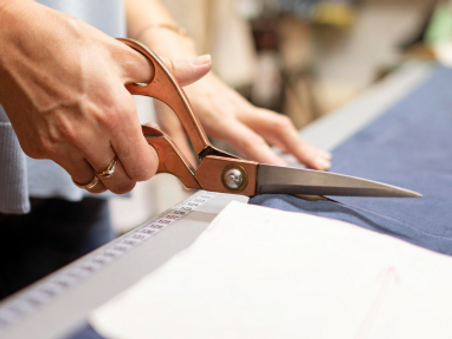
    Hands cutting blue fabric with large tailor's shears on a cutting table

    Behind the Seams: Exploring the Art and Craftsmanship of Our Clothing Manufacturing

    In today’s world, trends come and go at lightning speed. When you’re into fast fashion, it’s easy to overlook the intricate artistry and craftsmanship that go into manufacturing each cloth. Join us as we unravel the mesmerizing world behind the seams, where every stitch tells a story of skill, passion, and dedication. 

    1. The Art of Design: The starting point of our journey is the design process, where creativity takes centre stage. From sketching initial concepts to translating them into tangible patterns, our designers infuse personality and innovation into every piece. Discover the inspirations behind our collections and the thought process that brings fashion dreams to life.

    2. Materials Matter: The choice of materials is one of the most crucial aspects of our commitment to quality. From the soft touch of sustainable cotton to the luxurious feel of ethically sourced silk, we infuse diverse fabrics into our designs. We ensure reducing the impact of material selection on both comfort and the environment as we strive to balance aesthetics with responsibility.

    3. Precision in Production: When you step into our manufacturing facilities, you can witness our skilled artisans meticulously cut, sew, and assemble each garment. The preciseness of their craft transforms raw materials into the wearable works of art you find in our collections. Our dedication to detail ensures that every piece meets the highest quality standards.

    4. Handcrafted Elegance: For select collections, we celebrate the timeless tradition of handcraftsmanship. We employ expert artistry in intricate embroidery, delicate beadwork, and meticulous hand-stitched embellishments that add a touch of elegance and uniqueness to our garments. These artisanal techniques contribute to the individuality of each creation.

    5. Quality Assurance: Behind every successful garment is a rigorous quality control process. Our team meticulously inspects each item, ensuring that it meets our aesthetic standards and stands the test of time. Our commitment to quality extends beyond the showroom, fostering a relationship of trust with our customers.

    At Times Clothing, there’s a rich tapestry of artistry and craftsmanship behind every piece of clothing. Our dedication to quality, sustainability, and traditional techniques sets us apart in the fashion industry. Our collection is the melting pot where passion and precision converge to create garments that transcend fleeting trends, becoming enduring symbols of style and craftsmanship. Contact us at info@timesclothing.com for a full range of uniforms, retail merchandise, fast fashion and active wear.

    Learn more about our in-house manufacturing.