Category: Uncategorized

  • How to Choose the Right T-Shirt Printing Method for Your Business

    How to Choose the Right T-Shirt Printing Method for Your Business

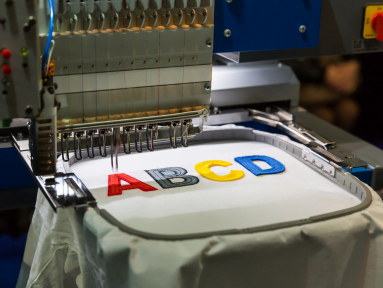
    Embroidery machine stitching colourful A, B, C and D letters on white fabric

    How to Choose the Right T-Shirt Printing Method for Your Business

    Choosing the right t-shirt printing method is crucial for any business offering high-quality custom t-shirts. Understanding the different printing techniques available can help you make informed decisions that affect your brand image, production costs, product quality, and customer satisfaction. In this guide, we’ll explore the most popular t-shirt printing methods and explain how to choose the one that best suits your business needs.

    1. Understanding Your T-Shirt Printing Options

    Before choosing a specific printing method, it is important to understand the main options available today. The most popular techniques include:
    • Screen Printing
    • Direct-to-Garment (DTG) Printing
    • Heat Transfer Vinyl (HTV)
    • Dye Sublimation
    • Embroidery
    Each method has its own strengths and limitations. The right choice depends on factors such as your business model, target audience, order volume, budget, fabric type, and design requirements.

    2. Screen Printing: The Classic Choice

    Screen printing is one of the most established and widely used t-shirt printing methods. It is particularly popular for bulk orders because it can produce consistent, vibrant prints across large quantities of garments. The process involves creating a stencil or screen for the design and pushing ink through the screen onto the fabric. Separate screens are generally required for different colours.

    Advantages of Screen Printing

    • High Quality and Durability: Produces vibrant prints that can withstand repeated washing when properly applied and cured.
    • Cost-Effective for Large Orders: Setup costs can be spread across a larger number of garments, making the method economical for bulk production.
    • Versatile: Can be used on various fabrics, including cotton, polyester, and some blends.
    • Consistent Results: Suitable for producing large quantities with uniform designs.

    Disadvantages of Screen Printing

    • Higher Setup Requirements: Each colour typically requires a separate screen, increasing preparation time and cost.
    • Less Suitable for Highly Detailed Designs: Photographic images, gradients, and extremely intricate artwork can be more challenging.
    • Less Cost-Effective for Small Orders: Setup costs can make small production runs relatively expensive.

    3. Direct-to-Garment (DTG) Printing: Precision and Flexibility

    Direct-to-Garment (DTG) printing is a digital printing technique that uses specialized inkjet technology to print designs directly onto garments. It is particularly useful for businesses offering personalized custom t-shirts, small-batch production, and designs containing many colours or fine details.

    Advantages of DTG Printing

    • Suitable for Small Orders: Ideal for one-off products and small production runs.
    • High Detail: Excellent for complex graphics, photographs, illustrations, and multi-colour designs.
    • No Screen Setup: Designs can be printed digitally without creating separate screens.
    • Soft Print Feel: On suitable garments, the ink can provide a relatively soft finish.

    Disadvantages of DTG Printing

    • Higher Cost Per Garment: It can be more expensive than screen printing for large production runs.
    • Fabric Compatibility: DTG generally performs best on cotton or cotton-rich garments, although specialized systems can support other materials.
    • Production Speed: It may be slower than screen printing for very large orders.

    4. Heat Transfer Vinyl (HTV): Versatility for Small Runs

    Heat Transfer Vinyl (HTV) involves cutting a design from a sheet of heat-transfer vinyl and applying it to the garment using heat and pressure. This method is popular for personalized t-shirt printing, especially when businesses need names, numbers, logos, or simple graphics.

    Advantages of HTV

    • Excellent for Personalization: Ideal for names, numbers, logos, and individual designs.
    • Suitable for Small Orders: Works well for one-off garments and small batches.
    • No Traditional Screen Setup: There is no need to create printing screens.
    • Available in Various Finishes: Vinyl can be found in different colours and specialty finishes.

    Disadvantages of HTV

    • Limited Design Complexity: Highly detailed or multi-colour artwork can require significant preparation.
    • Reduced Breathability: Large vinyl areas can create a heavier feel and reduce the breathability of the garment.
    • Manual Preparation: Weeding and applying individual designs can become time-consuming for larger orders.

    5. Dye Sublimation: Ideal for Polyester

    Dye sublimation is a specialized printing technique that uses heat to transfer dye into polyester fibres. The result is a vibrant print that becomes integrated into the fabric. This method is particularly suitable for sportswear, activewear, and full-colour polyester garments.

    Advantages of Dye Sublimation

    • All-Over Printing: Allows designs to cover large areas of the garment.
    • Vibrant Colours: Produces bright and detailed designs.
    • Excellent Durability: The dye becomes part of the polyester fibres, reducing issues such as cracking and peeling.
    • Ideal for Polyester: Particularly effective for sportswear and performance apparel.

    Disadvantages of Dye Sublimation

    • Limited Fabric Compatibility: Best suited to polyester or polyester-rich fabrics.
    • Best on Light-Coloured Fabrics: Standard sublimation works most effectively on white or light-coloured polyester.
    • Specialized Equipment: Requires suitable printers, inks, transfer paper, and heat-pressing equipment.

    6. Embroidery: Classic Elegance for Logos

    Embroidery creates designs by stitching coloured threads directly onto the garment. Although it is not technically a printing method, it is a popular customization technique for branded apparel. Embroidery is particularly suitable for corporate clothing, polo shirts, uniforms, jackets, and premium garments.

    Advantages of Embroidery

    • Professional Appearance: Creates a textured, premium finish.
    • Highly Durable: Properly applied embroidery can withstand frequent washing and regular use.
    • Excellent for Branding: Ideal for company logos, names, and simple designs.
    • Suitable for Heavier Garments: Works particularly well on polo shirts, jackets, uniforms, and other structured apparel.

    Disadvantages of Embroidery

    • Higher Cost: Complex or large embroidery designs can be more expensive.
    • Limited Detail: Very fine details and photographic images are not suitable for embroidery.
    • Additional Weight: Large embroidered areas can add weight and stiffness to lightweight garments.

    7. Choosing the Right T-Shirt Printing Method for Your Business

    Selecting the right method depends on several factors.

    1. Order Volume

    For large quantities, screen printing is often a cost-effective option because setup costs can be distributed across many garments. For smaller orders or individual custom t-shirts, DTG and HTV can provide greater flexibility.

    2. Design Complexity

    For detailed, photographic, or multi-colour artwork, DTG can be an excellent option. For bold graphics with a limited number of colours, screen printing can provide excellent results. For names, numbers, and simple logos, HTV is often practical. For full-colour designs on polyester, dye sublimation is particularly effective.

    3. Fabric Type

    Fabric compatibility is an important consideration.
    • Cotton: Screen printing and DTG are commonly suitable.
    • Polyester: Dye sublimation is particularly effective for suitable light-coloured garments.
    • Cotton-polyester blends: Screen printing, selected DTG systems, and heat-transfer methods may be appropriate depending on the garment.
    • Polo shirts and structured garments: Embroidery is often an excellent choice.
    Always confirm compatibility with your printing provider before starting production.

    4. Budget

    Your budget should include both setup and per-unit costs. Screen printing may require greater initial preparation but can become highly economical for large orders. DTG and HTV generally have lower setup requirements but can have higher per-unit costs, particularly at larger volumes.

    5. Brand Image

    The printing or customization method should match the image you want your brand to communicate. For example, embroidery can create a premium and professional appearance, while DTG can be ideal for detailed artistic designs. Screen printing works well for bold, recognizable branding, while dye sublimation is particularly suitable for vibrant sportswear.

    T-Shirt Printing Method at a Glance

    Printing Method Best For Main Advantage
    Screen Printing Bulk orders and bold designs Durable and cost-effective at volume
    DTG Printing Detailed designs and small batches Excellent detail and colour flexibility
    HTV Names, numbers, and personalization Flexible for small custom orders
    Dye Sublimation Polyester and sportswear Vibrant all-over designs
    Embroidery Logos and premium branding Professional and durable finish

    Final Thoughts

    Choosing the right t-shirt printing method is essential for producing high-quality custom t-shirts that meet customer expectations and represent your brand effectively. Whether you choose screen printing, DTG, HTV, dye sublimation, or embroidery, each method offers unique advantages for different applications. Before making a decision, consider your order volume, design complexity, fabric type, budget, desired durability, and brand image. In Dubai’s competitive apparel market, offering high-quality custom t-shirt printing can help your business stand out and build stronger customer relationships. By understanding the strengths and limitations of each customization method, you can select the right solution for your products and deliver garments that combine quality, style, and value.
  • How Custom Bags Enhance Brand Visibility at Events

    How Custom Bags Enhance Brand Visibility at Events

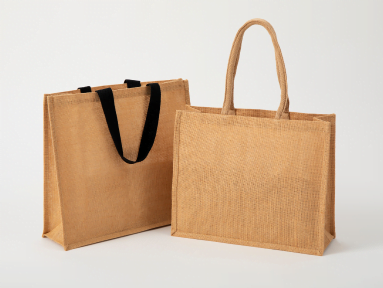
    Two tan jute tote bags, one with black handles and one with jute handles

    How Custom Bags Enhance Brand Visibility at Events

    Did you know that custom bags are among the top promotional products for generating brand impressions globally? According to the Advertising Specialty Institute (ASI), a custom bag can generate more than 3,300 impressions throughout its lifespan. This makes custom bags one of the most cost-effective promotional tools for increasing brand visibility, especially at events.

    The Power of Custom Bags in Branding

    Custom bags provide a powerful opportunity for brands to increase visibility and create a lasting impression on potential customers. Unlike promotional items that may be discarded after a single use, custom bags are practical, reusable, and highly functional, making them valuable items that people are likely to keep and use repeatedly. As a result, your brand’s logo, message, and colours can be seen by a wider audience over a longer period, extending the reach of your marketing efforts well beyond the event itself. Moreover, custom bags can be designed to align perfectly with your brand identity. Whether you choose vibrant colours to attract attention or subtle shades to convey elegance, the bag’s design can reflect your brand’s personality and values. This is particularly important at events, where first impressions matter. A well-designed custom bag can convey professionalism, creativity, and a commitment to quality—all essential qualities that can help build trust and loyalty among potential customers.

    Why Custom Bags Work So Well at Events

    High Utility and Longevity: Unlike brochures or flyers that may be discarded shortly after an event, custom bags are practical items that recipients can use regularly. These bags remain visible in public spaces, effectively turning each user into a walking advertisement for your brand. Broad Appeal: Custom bags have universal appeal. Regardless of the demographic you are targeting, almost everyone can find a practical use for a good-quality bag. This makes them ideal for events with diverse audiences. Large Imprint Area: Bags provide a significantly larger surface area for displaying your logo, message, and other branding elements compared with promotional items such as pens or keychains. This allows you to incorporate more information or creative designs, making your branding more impactful.

    Global Impact of Custom Bags on Brand Presence

    Studies reveal that 73% of consumers are more likely to remember a brand when they receive a useful promotional item, such as a custom bag. This high recall rate highlights the effectiveness of tangible promotional products in creating lasting brand awareness. Custom bags are also a cost-effective promotional tool that can deliver a strong return on investment (ROI) for brands looking to maximise their marketing budgets.

    Types of Custom Bags for Maximum Impact

    When choosing custom bags for your next event, it is important to consider the different types available and how they align with your brand’s goals. Here are some popular options: Personalised Bags: Personalised bags offer a unique touch by incorporating the recipient’s name, a custom message, or other personalised details. This personal connection can make recipients feel valued and encourage them to use the bag regularly, increasing your brand’s visibility. Personalised bags are particularly effective for corporate events, client appreciation gifts, and special occasions where a personal touch can help strengthen relationships. Corporate Jute Bags: For brands looking to convey a message of sustainability and environmental responsibility, corporate jute bags are an excellent choice. Made from natural fibres, jute bags are biodegradable and recyclable, making them appealing to environmentally conscious consumers. As sustainability becomes increasingly important to consumers, offering eco-friendly promotional products such as jute bags can enhance your brand image and align your business with the values of your target audience. Canvas Bags: Canvas bags are versatile, durable, and ideal for everyday use. They are perfect for brands looking to combine style with functionality. Canvas bags can be customised in various styles, from tote bags to backpacks, making them suitable for different events and promotional campaigns. Their durability ensures that your branding remains visible for longer, providing continued exposure long after the event has ended.

    How to Maximise the Effectiveness of Custom Bags

    To ensure your custom bags have the maximum impact on brand visibility, consider the following strategies: Design with Purpose: The design of your custom bag should reflect your brand identity and values. Use colours, fonts, and imagery that are consistent with your overall branding to create a cohesive look. Avoid overcrowding the design with too much information—keep it simple, professional, and impactful. Choose Quality Materials: The quality of the bag reflects the quality of your brand. Investing in high-quality materials, such as durable canvas or eco-friendly jute, can leave a positive impression on recipients and encourage them to use the bag regularly. Distribute Strategically: Consider the best times and locations to distribute your custom bags. Trade shows, conferences, exhibitions, corporate events, and community gatherings are ideal opportunities to reach a large audience. You can also offer custom bags as gifts with purchases or as part of social media giveaways to further expand your reach. Include a Call to Action: Consider adding a call to action to your bag, such as a website URL, social media handle, or QR code. This encourages recipients to engage with your brand online, driving traffic to your website and potentially increasing your social media following. Custom bags are versatile promotional products that can effectively enhance brand visibility at events. With high utility, broad appeal, and a large imprint area, they offer brands a unique opportunity to create lasting impressions and build awareness. Choosing the right type of bag and creating an effective design can maximise your brand presence, enhance audience engagement, and ensure a memorable experience that continues beyond the event itself. Whether you choose personalised bags, corporate jute bags, or durable canvas bags, investing in custom bags can be a smart marketing strategy that delivers strong ROI and strengthens your brand’s presence in the market.
  • The Role of Organic Cotton in Sustainable Fashion

    The Role of Organic Cotton in Sustainable Fashion

    Four folded white and heather grey t-shirts on a wooden table

    The Role of Organic Cotton in Sustainable Fashion

    Sustainability is no longer just a trend; it represents a movement toward a more responsible and eco-friendly future. As more people become aware of the environmental impact of their purchasing decisions, the fashion industry is also changing the way it produces clothing and textiles. One of the key materials in sustainable fashion is organic cotton. It can help reduce the environmental impact of cotton production while supporting more responsible farming practices, making it an important choice for ethical designers, sustainable fabric manufacturers, and responsible suppliers.

    What Is Organic Cotton?

    Organic cotton is grown using farming methods designed to reduce reliance on synthetic chemicals and genetically modified organisms (GMOs). Organic farming practices can include crop rotation, natural pest management, composting, and other methods that support soil health and biodiversity. Sustainable fabric manufacturers play an important role in bringing organic cotton into the fashion supply chain. By sourcing and processing responsibly produced organic cotton, they can provide brands with more environmentally conscious textile options.

    The Environmental Impact of Conventional Cotton

    To understand the importance of organic cotton in sustainable fashion, it is useful to consider the environmental challenges associated with conventional cotton farming. Cotton production can require significant amounts of water, land, fertilizers, and pesticides. A commonly cited estimate from the World Wildlife Fund (WWF) suggests that producing the cotton needed for one conventional cotton T-shirt can require around 2,700 litres of water, although actual water consumption varies depending on farming methods, location, and climate. Conventional cotton farming can also involve pesticides and synthetic fertilizers that, when poorly managed, may contribute to soil degradation and water pollution. Organic cotton farming avoids the use of most synthetic pesticides and fertilizers permitted under conventional farming systems, helping to support healthier agricultural ecosystems and reduce potential chemical pollution.

    Benefits of Organic Cotton in Sustainable Fashion

    1. Reduced Environmental Impact

    Organic cotton farming can have a lower environmental impact when compared with conventional production methods. Instead of relying heavily on synthetic pesticides and fertilizers, organic farming uses practices such as crop rotation, composting, and natural pest management. These methods can help support soil health, biodiversity, and more responsible resource management. Sustainable fabric manufacturers that source certified organic cotton can help fashion brands incorporate more environmentally responsible materials into their collections.

    2. Water Conservation

    Water scarcity is a significant environmental challenge in many parts of the world, and cotton farming can require substantial water resources. Organic cotton can be grown using rain-fed agriculture in suitable regions, reducing reliance on irrigation. However, the actual water savings depend on factors such as climate, location, farming practices, and whether the cotton is rain-fed or irrigated. Choosing responsibly sourced organic cotton can therefore be one part of a broader strategy for reducing the water impact of textile production.

    3. Healthier Soil and Ecosystems

    Organic farming practices can help maintain healthier soil by encouraging crop rotation, composting, and natural soil management. Healthy soil can improve agricultural resilience and support biodiversity. Avoiding many synthetic pesticides also reduces the risk of chemical exposure to surrounding ecosystems and wildlife. For sustainable fabric manufacturers, maintaining responsible sourcing practices is an important step toward building a more sustainable textile supply chain.

    4. Better Working Conditions for Farmers

    Organic cotton can also contribute to safer working environments by reducing farmers’ exposure to certain synthetic agricultural chemicals. Certification programs such as the Global Organic Textile Standard (GOTS) establish requirements covering organic fibres as well as environmental and social criteria throughout the textile processing chain. However, organic certification and fair labour certification are not identical. Brands should review the specific certifications and standards associated with their suppliers to understand the social and environmental requirements being met.

    5. Comfortable for Consumers

    Organic cotton is valued for its softness, breathability, and versatility. Because cotton is a natural fibre, it can be a comfortable choice for everyday clothing, including t-shirts, shirts, dresses, and other garments. The softness and comfort of a finished garment depend on several factors, including fibre quality, yarn construction, fabric structure, finishing processes, and garment manufacturing—not simply whether the cotton is organic. For consumers with sensitive skin, choosing clothing made from responsibly processed materials can also be an appealing option.

    Challenges and Opportunities

    One of the main challenges associated with organic cotton is cost. Organic cotton production can involve more labour-intensive farming practices, certification requirements, and supply-chain management. These factors can make organic cotton more expensive than conventional cotton in some markets. Higher costs can be particularly challenging for smaller fashion brands working with limited budgets. However, growing consumer interest in sustainable fashion presents significant opportunities. As demand for environmentally responsible products increases, sustainable fabric suppliers and manufacturers are expanding their range of organic and recycled textile options. Advances in agricultural practices, supply-chain management, textile processing, and certification systems may also help improve accessibility and efficiency over time.

    The Future of Organic Cotton in Fashion

    As the fashion industry continues to focus on sustainability, organic cotton is expected to remain an important material for brands seeking more responsible alternatives. Sustainable fabric manufacturers and suppliers play a key role in this transition by providing materials that can support environmental goals, responsible sourcing, and increasing consumer demand for transparency. By choosing organic cotton, fashion brands can reduce their reliance on conventional agricultural inputs and offer customers products made with more responsible fibre choices.

    Why Organic Cotton Matters

    Organic cotton is more than simply an alternative to conventional cotton. It represents an opportunity for the fashion industry to rethink how natural fibres are grown, processed, and incorporated into clothing. By partnering with sustainable fabric manufacturers and suppliers that prioritize responsible sourcing and recognized standards, fashion brands can take meaningful steps toward reducing their environmental impact. As consumers become more informed and demand more sustainable products, organic cotton will continue to play an important role in the development of a more responsible fashion industry.
  • The Best T-Shirt Printing Techniques: A Complete Guide for UAE Clothing Brands

    The Best T-Shirt Printing Techniques: A Complete Guide for UAE Clothing Brands

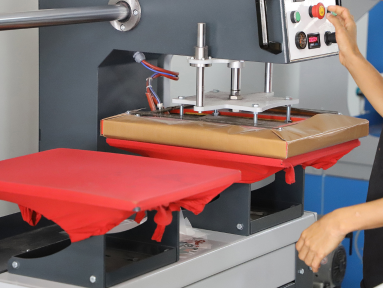
    Heat press machine printing onto a red t-shirt

    The Best T-Shirt Printing Techniques: A Complete Guide for UAE Clothing Brands

    T-shirts have become one of the most universal fashion products, worn by people of all ages and backgrounds around the world. Custom printing services in Dubai make personalization easier through unique materials, creative designs, custom graphics, and individual branding. This flexibility has made t-shirts an essential product for fashion brands, businesses, sports teams, events, and organizations, especially in a dynamic market like Dubai. If you want to create custom designs, choosing the right t-shirt printing technique is crucial. With a variety of printing options available, it is important to understand which method works best for your specific requirements, particularly if you are looking for high-quality, durable, and sustainable products. This guide explores some of the most popular t-shirt printing techniques in Dubai, along with their benefits and limitations, to help you choose the right custom printing service for your needs.

    Key Considerations for T-Shirt Printing

    Before choosing a t-shirt printing technique, consider the following factors:

    1. Fabric Compatibility

    Not every printing method works equally well on all fabric types. Some techniques are better suited to polyester, while others produce better results on cotton or cotton blends. For example, dye sublimation works particularly well on polyester, while DTG printing is commonly used for cotton garments. If you are using thick, organic, or specialty fabrics, always confirm that the selected printing method is compatible with the material.

    2. Production Speed

    For large orders, production speed can be an important consideration. If your business needs hundreds or thousands of t-shirts within a short timeframe, choose a printing method that can handle high-volume production efficiently without compromising quality.

    3. Cost

    Budget is another important factor when selecting a printing technique. Some methods are more economical for small orders, while others become more cost-effective when producing larger quantities. If you are considering in-house printing, also factor in equipment, ink, transfer materials, maintenance, labour, and setup costs.

    Popular T-Shirt Printing Techniques

    Let’s explore some of the most effective methods for t-shirt printing.

    1. Screen Printing

    Screen printing, also known as silk screen printing, is one of the most established and reliable methods for t-shirt printing. It produces vibrant, durable prints and is widely used by clothing brands for medium- and large-scale production.

    Process

    Screen printing requires a separate screen or stencil for each colour in the design. Ink is pushed through the mesh screen onto the fabric using a squeegee. The process is repeated for each colour before the print is cured.

    Best For

    Screen printing is ideal for bold, simple designs, logos, promotional apparel, uniforms, and large-volume orders.

    Advantages

    • High-quality and durable prints
    • Excellent colour vibrancy
    • Cost-effective for larger orders
    • Ideal for bold and solid designs
    • Consistent results across large batches

    Drawbacks

    • Setup costs can be high for small orders
    • Less suitable for highly detailed, photographic designs
    • Multi-colour designs require additional setup
    • Preparation can take longer than some digital methods

    2. Dye Sublimation

    Dye sublimation is an excellent option for printing on light-coloured polyester fabrics. The technique produces vibrant, full-colour designs that become integrated into the fabric rather than sitting as a heavy layer on top.

    Process

    The design is printed onto specialized transfer paper using sublimation inks. Heat and pressure are then applied, causing the ink to turn into a gas and bond with the polyester fibres.

    Best For

    Dye sublimation is ideal for all-over prints, sportswear, activewear, and vibrant multi-colour designs on polyester garments.

    Advantages

    • Vibrant and long-lasting colours
    • Excellent for detailed designs
    • Print does not typically crack or peel like some surface-applied prints
    • Suitable for all-over designs
    • Lightweight print feel

    Drawbacks

    • Works best on polyester fabrics
    • Generally requires light-coloured garments
    • Not suitable for most cotton t-shirts
    • Less suitable for dark garments without specialized processes

    3. Direct-to-Garment (DTG) Printing

    Direct-to-Garment (DTG) printing is a popular digital printing method, particularly for small orders and highly detailed designs. It allows printers to produce full-colour artwork directly onto garments without creating screens or stencils.

    Process

    A DTG printer applies specialized textile ink directly onto the garment. The ink is then cured to ensure the design adheres properly to the fabric.

    Best For

    DTG is well suited to small production runs, custom orders, artwork with multiple colours, photographs, illustrations, and detailed graphics.

    Advantages

    • Excellent for detailed and multi-colour designs
    • Suitable for small batches and individual orders
    • No screen setup required
    • Allows easy design customization
    • Can produce a soft print feel on suitable garments

    Drawbacks

    • Generally more expensive per piece for large quantities
    • Requires specialized equipment
    • Results depend heavily on fabric composition and garment preparation
    • Some DTG processes may require additional treatment for dark garments

    4. Heat Transfer Printing

    Heat transfer printing is a versatile option for producing customized t-shirts in smaller quantities. It is commonly used by startups, event organizers, small businesses, and individuals.

    Process

    The design is printed onto a specialized transfer material. Heat and pressure are then applied using a heat press to transfer the design onto the garment.

    Best For

    Heat transfer printing is suitable for detailed graphics, photographs, names, numbers, promotional designs, and small-batch custom orders.

    Advantages

    • Suitable for small quantities
    • Works well with detailed and full-colour designs
    • Relatively simple production process
    • Flexible for customized orders
    • Suitable for a variety of applications

    Drawbacks

    • Print durability varies depending on the transfer material
    • Some transfers may feel heavier on the fabric
    • Large production runs may take more time
    • Certain transfer types may have limitations on fabric or garment colour

    5. Vinyl Cutting

    Vinyl cutting is a popular method for creating logos, names, numbers, and simple graphics. It is particularly common for sports jerseys, uniforms, promotional apparel, and personalized garments.

    Process

    The design is cut from sheets of coloured or printable vinyl using a cutting machine. The unwanted material is removed, and the remaining design is heat-pressed onto the garment.

    Best For

    Vinyl cutting is ideal for text, numbers, logos, simple graphics, sportswear, uniforms, and personalized garments.

    Advantages

    • Durable and vibrant results
    • Excellent for names and numbers
    • Suitable for small customized orders
    • Available in a wide range of finishes
    • Works well for sports and promotional apparel

    Drawbacks

    • Not ideal for highly detailed or photographic designs
    • Large vinyl areas can affect the garment’s breathability and flexibility
    • Requires specialized cutting and heat-pressing equipment
    • Each colour may require separate preparation

    Eco-Friendly Practices for T-Shirt Printing in Dubai

    As sustainable fashion continues to gain attention in Dubai and across the UAE, brands are increasingly looking for environmentally responsible printing and manufacturing solutions. Choosing water-based or lower-impact inks, selecting responsibly sourced fabrics, reducing production waste, and using efficient printing processes can help brands reduce their environmental footprint. Businesses can also consider organic cotton, recycled polyester, and other responsibly sourced materials when developing sustainable t-shirt collections.

    How to Choose the Right T-Shirt Printing Method

    The best printing method depends on several factors, including your fabric, design, order quantity, budget, and desired finish. For example:
    • Large-volume orders: Screen printing
    • Detailed designs and small batches: DTG printing
    • Polyester sportswear: Dye sublimation
    • Small customized orders: Heat transfer printing
    • Names, numbers, and logos: Vinyl cutting
    • All-over polyester designs: Dye sublimation
    It is also important to consider the expected durability, washing requirements, fabric composition, and appearance of the finished garment before selecting a printing technique.

    Choose the Right T-Shirt Printing Service in Dubai

    Selecting the right printing technique can make a significant difference to the appearance, durability, comfort, and overall quality of your custom t-shirts. Whether you are an established fashion brand, a startup, a corporate business, a sports team, or an individual looking for personalized apparel, understanding the differences between screen printing, DTG, dye sublimation, heat transfer, and vinyl printing can help you make an informed decision. By partnering with the right t-shirt printing service in Dubai, you can create high-quality, customized garments that reflect your brand identity, meet your customers’ expectations, and support your production goals. As demand for personalized fashion and branded apparel continues to grow, choosing the right printing technique can help your t-shirts stand out in Dubai’s competitive fashion and apparel market.
  • How Custom Lanyards and Wristbands Can Boost Corporate Event Engagement

    How Custom Lanyards and Wristbands Can Boost Corporate Event Engagement

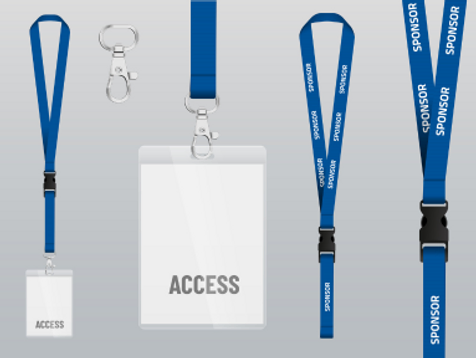
    Blue event lanyards with access badge holders and sponsor print

    How Custom Lanyards and Wristbands Can Boost Corporate Event Engagement

    Lanyards, globally used neck straps that hold ID badges, keys, and event passes, have an interesting history that dates back to the 15th century. Originally, French soldiers and sailors used lanyards to secure their weapons and tools, ensuring they were always within reach.

    Over time, these simple yet effective devices evolved and found their way into civilian life, eventually becoming a staple in the corporate and event management worlds.

    Today, custom lanyards and wristbands have become indispensable tools for boosting engagement at corporate events. These versatile accessories serve practical purposes but while playing a significant role in branding, networking, and enhancing the overall attendee experience.

    The Corporate Lanyard: A Modern Essential

    In the corporate environment, lanyards are used extensively for various purposes. They are an essential component to manage of employee identification, providing a convenient and visible way to display ID badges. Lanyards help enhance security within the workplace and foster a sense of unity and professionalism among employees.

    Beyond daily office use, custom lanyards are a staple at corporate events such as conferences, trade shows, and seminars. They are typically used to hold event passes, name tags, or access cards, making it easy for attendees to navigate the event and access various areas. But their utility goes far beyond mere functionality.

    Enhancing Brand Visibility

    One of the primary benefits of custom lanyards is their ability to enhance brand visibility. Incorporating a company’s logo, colours, and messaging into the design, you can use lanyards as a walking advertisement. Every time attendees wear the lanyard, they inadvertently promote the brand to everyone they encounter. This constant visibility helps reinforce brand recognition and leaves a lasting impression on attendees.

    Facilitating Networking

    Networking is a critical component of any corporate event. Custom lanyards and wristbands can facilitate this by helping attendees identify each other. For example, colour-coded lanyards or wristbands signify different roles or groups, such as speakers, VIPs, staff, and attendees. Through this visual distinction people can connect with the right individuals, fostering meaningful interactions and networking opportunities.

    Creating a Sense of Belonging

    Custom lanyards and wristbands can also create a sense of belonging and community among event participants. When attendees receive a lanyard or wristband upon registration, it serves as a tangible symbol of their participation in the event. Custom lanyards and wristbands enhance their sense of inclusion and engagement, making them feel like an integral part of the gathering.

    Improving Organization and Security

    Effective event management requires meticulous organization and security measures. Custom lanyards and wristbands play a crucial role in achieving this. They help event organizers manage access control by clearly indicating the credentials and permissions of each attendee.

    They can be crucial in big events with multiple sessions or restricted areas. Custom lanyards and wristbands help organizers ensure that only authorized individuals can enter specific zones, enhancing overall security and orderliness.

    Encouraging Participation and Interaction

    Custom wristbands, in particular, can encourage participation and interaction among attendees. For instance, event organizers can design wristbands with unique features such as QR codes, which attendees can scan to access exclusive content, participate in games, or enter contests. This interactive element engages attendees and provides valuable data for organizers, helping them understand attendee behaviour and preferences.

    Serving as Souvenirs

    Both lanyards and wristbands can serve as memorable souvenirs from the event. Attendees keep high-quality, well-designed custom lanyards and wristbands as memrobilias long after the event. They create a strong brand recall and can even spark conversations about the event, extending its reach and impact.

    Sustainable Options

    In today’s environmentally conscious world, sustainability is a growing concern. Companies can choose eco-friendly materials for their custom lanyards and wristbands, such as recycled polyester or biodegradable options. They align with corporate sustainability goals and appeal to eco-conscious attendees, enhancing the brand’s image as a responsible and forward-thinking entity.

    Maximizing Event Engagement

    Custom lanyards and wristbands are powerful tools that can significantly boost engagement at corporate events. From enhancing brand visibility and facilitating networking to improving organization and security, these versatile accessories offer several benefits.

    By investing in high-quality, thoughtfully designed custom lanyards and wristbands, companies can create a more engaging, organized, and memorable event experience for all attendees.

    Are you ready to elevate your next corporate event with custom lanyards and wristbands? Contact us today to explore our range of customizable options for your brand and event needs. Let us help you create an unforgettable experience that leaves a lasting impression on your attendees!

  • Fabric Options for T-Shirts: A Complete Guide for the UAE Market

    Fabric Options for T-Shirts: A Complete Guide for the UAE Market

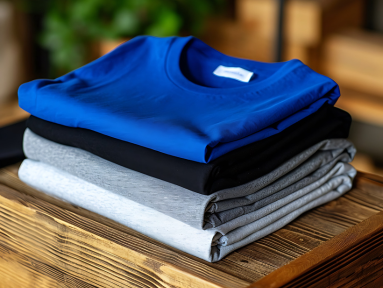
    Stack of folded blue, black, grey and white t-shirts on a wooden table

    Fabric Options for T-Shirts: A Complete Guide for the UAE Market

    T-shirts are an essential part of everyday fashion, worn by people of all ages and styles. Their universal appeal comes from the wide variety of fabrics, designs, fits, and customization options available. In the thriving fashion industry of the UAE, demand for custom t-shirts continues to grow, with individuals, businesses, sports teams, and brands looking for personalized, high-quality products. Choosing the right fabric is crucial to producing t-shirts that are comfortable, durable, stylish, and suitable for the intended use. Whether you are a clothing company offering custom t-shirts or an individual looking to print custom t-shirts for events, promotions, or corporate branding, understanding the available fabric options can help you make informed decisions. This guide explores some of the most popular fabrics used in t-shirt production and explains their suitability for t-shirt customization in the UAE market.

    The Importance of Fabric in T-Shirt Customization

    In the UAE, where fashion meets functionality, fabric selection plays an important role in ensuring comfort and durability. Factors such as texture, breathability, weight, durability, stretch, colour retention, and print compatibility should all be considered when choosing a t-shirt fabric. Here are some of the most popular fabric options for custom t-shirts.

    1. Single-Knit Cotton Jersey

    Single-knit cotton jersey is one of the most commonly used fabrics for t-shirt production. It is soft, lightweight, breathable, and comfortable for everyday wear. It is produced using a single set of needles to create a knitted structure that gives the fabric its characteristic stretch and softness. It is available in both regular and organic cotton varieties.

    Ideal For

    Single-knit cotton is an excellent choice for everyday t-shirts and provides good customization opportunities. It is widely used by brands and individuals looking for affordable, comfortable, and versatile custom t-shirts.

    Pros

    • Soft and lightweight
    • Comfortable for everyday wear
    • Breathable
    • Easy to maintain
    • Suitable for many printing techniques

    Cons

    • Can be prone to pilling depending on quality
    • May be less durable than some premium fabrics
    • Can shrink if not properly pre-treated or washed

    2. Pique Cotton

    Pique cotton is recognized by its distinctive textured surface and is commonly used for polo shirts. Its structured weave provides a slightly more formal appearance while maintaining good breathability.

    Ideal For

    Pique cotton is well-suited for custom polo shirts, corporate uniforms, promotional apparel, and premium branded clothing.

    Pros

    • Good breathability
    • Retains its shape well
    • Provides a structured appearance
    • Suitable for corporate and premium apparel
    • Durable for regular use

    Cons

    • Generally heavier than standard jersey cotton
    • May feel less soft than some lightweight cotton fabrics
    • Textured surfaces may require careful consideration when printing

    3. Pima Cotton

    Pima cotton is known for its extra-long staple fibres, which contribute to its softness, strength, and smooth appearance.

    Ideal For

    Pima cotton is an excellent choice for luxury and high-end t-shirt customization in the UAE. It is particularly suitable for brands that want to combine premium comfort with a refined appearance.

    Pros

    • Extremely soft and comfortable
    • Strong and durable
    • Smooth, premium appearance
    • Resistant to pilling when properly manufactured

    Cons

    • More expensive than standard cotton
    • Premium quality may increase production costs

    4. Supima Cotton

    Supima cotton is a premium type of American-grown Pima cotton known for its softness, strength, and excellent colour retention. It is well suited to high-end fashion t-shirts and premium customization projects where fabric quality is a priority.

    Ideal For

    Supima cotton is perfect for creating premium custom t-shirts that emphasize comfort, durability, softness, and long-term colour retention.

    Pros

    • Luxurious feel
    • Excellent durability
    • Strong colour retention
    • Soft and comfortable
    • Suitable for premium apparel

    Cons

    • Higher cost
    • May not be suitable for budget-focused production

    5. Organic Hemp

    Organic hemp is gaining attention as the demand for sustainable fashion continues to grow. Hemp fibres are durable, breathable, and can be cultivated with relatively low agricultural inputs compared with some conventional fibres.

    Ideal For

    Organic hemp is suitable for businesses focused on sustainability and natural materials. It can be used for eco-conscious t-shirt collections and brands that prioritize responsible material choices.

    Pros

    • Durable and breathable
    • Suitable for sustainable fashion
    • Naturally resistant to odours
    • Can become softer with use

    Cons

    • May feel relatively coarse initially
    • Can be more expensive than conventional cotton
    • Requires appropriate washing and care

    6. Organic Bamboo Fabric

    Bamboo-based fabrics are another option for brands exploring sustainable textile choices. Bamboo-derived fibres can provide a soft and breathable feel, although their environmental impact depends significantly on how the fibre is processed.

    Ideal For

    Bamboo-based fabrics can be used for custom t-shirts focused on softness, comfort, and sustainability. They are particularly suitable for casual and lifestyle apparel.

    Pros

    • Soft and comfortable
    • Breathable
    • Good moisture management in some fabric constructions
    • Suitable for lightweight apparel

    Cons

    • Some bamboo fibres require significant chemical processing
    • Environmental benefits vary depending on the manufacturing process
    • May require careful maintenance

    7. Tri-Blend Fabrics

    Tri-blend fabrics typically combine cotton, polyester, and rayon. The combination creates a lightweight fabric that can offer softness, durability, and a comfortable drape.

    Ideal For

    Tri-blends are popular for casual fashion, promotional apparel, lifestyle clothing, and custom t-shirts where a soft and lightweight feel is desired.

    Pros

    • Soft and comfortable
    • Lightweight
    • Good drape
    • Durable
    • Suitable for a variety of printing techniques

    Cons

    • May fade depending on fabric quality and care
    • Blended fibres can affect the appearance of certain printing techniques
    • May be more expensive than basic cotton

    8. Recycled Polyester

    With growing interest in sustainable fashion, recycled polyester has become an option for brands seeking to reduce reliance on virgin polyester. It is commonly produced from recycled plastic materials such as PET bottles. Recycled polyester can retain many of the performance characteristics associated with conventional polyester while giving manufacturers an opportunity to incorporate recycled materials into their products.

    Ideal For

    Recycled polyester is particularly suitable for activewear, sportswear, outdoor clothing, and sustainability-focused fashion collections.

    Pros

    • Uses recycled materials
    • Durable
    • Moisture-wicking
    • Lightweight
    • Wrinkle-resistant
    • Suitable for sportswear

    Cons

    • Generally less breathable than many natural fibres
    • Production still requires energy and processing
    • May not provide the same natural feel as cotton

    9. Polyester with Lycra (Spandex)

    Polyester-Lycra blends combine the durability and moisture-management properties of polyester with the stretch and flexibility of Lycra or spandex. This combination is widely used in fitness and activewear because it allows garments to move comfortably with the body while retaining their shape.

    Ideal For

    Polyester-Lycra blends are ideal for fitness brands, sports teams, gyms, and activewear companies looking for custom t-shirts with flexibility and durability.

    Pros

    • Excellent stretch
    • Good shape retention
    • Durable
    • Moisture-wicking
    • Suitable for activewear
    • Allows greater freedom of movement

    Cons

    • May feel less breathable than natural fibres
    • Excessive heat and improper care can affect elasticity
    • Not always suitable for casual t-shirts where a natural fabric feel is preferred

    10. R|Elan™ GreenGold Fabric

    R|Elan™ GreenGold is a recycled polyester-based textile made using recycled PET bottles. It is designed to combine performance characteristics with the use of recycled materials.

    Ideal For

    For companies looking to incorporate recycled materials into their t-shirt collections, R|Elan™ GreenGold can be considered for sportswear, activewear, and other performance-focused garments.

    Pros

    • Made using recycled materials
    • Lightweight
    • Durable
    • Suitable for performance apparel
    • Moisture-management properties

    Cons

    • May not feel as natural as cotton
    • Better suited to athletic and performance applications
    • Availability and cost may vary

    How to Choose the Right Fabric for Custom T-Shirts

    When selecting a fabric for t-shirt customization in the UAE, consider the intended use, climate, budget, desired appearance, and printing method. For example:
    • Everyday casual wear: Cotton jersey
    • Premium fashion: Pima or Supima cotton
    • Corporate uniforms: Pique cotton
    • Sustainable collections: Organic hemp or responsibly sourced bamboo-based fabrics
    • Sportswear: Recycled polyester or polyester-Lycra blends
    • Soft lifestyle apparel: Tri-blend fabrics
    • Performance clothing: Recycled polyester or technical blends
    The printing method should also be considered before selecting the fabric. Different materials can produce different results with screen printing, digital printing, heat transfer, embroidery, and other customization techniques.

    Choose the Right Fabric for Your Custom T-Shirts

    Choosing the right fabric is one of the most important decisions when producing custom t-shirts. From soft cotton jersey and premium Pima cotton to recycled polyester and performance blends, every fabric offers its own combination of comfort, durability, appearance, sustainability, and performance. For businesses looking to print custom t-shirts or individuals seeking personalized designs, understanding these fabric options makes it easier to choose a material that matches the purpose of the garment. By selecting the right fabric and working with an experienced clothing manufacturer, you can create custom t-shirts that are comfortable, stylish, durable, and suited to the needs of the UAE market.
  • Unveiling the Power of Custom Clothing for Businesses: A Game-Changer in the UAE

    Unveiling the Power of Custom Clothing for Businesses: A Game-Changer in the UAE

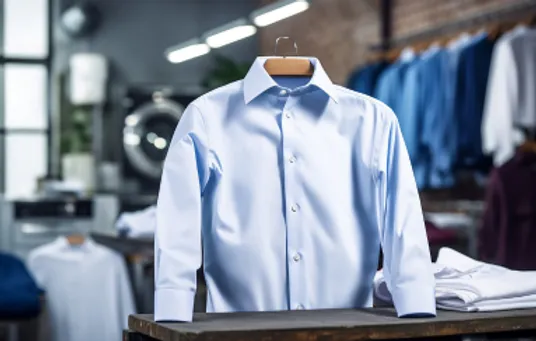
    Light blue formal shirt hanging on a wooden hanger in a workshop

    Unveiling the Power of Custom Clothing for Businesses: A Game-Changer in the UAE

    Did you know that businesses investing in custom clothing witness a staggering boost in brand visibility by up to 67%? Custom apparel isn’t just about dressing your team; it’s a strategic move that can catapult your brand into the limelight. In the dynamic landscape of the United Arab Emirates (UAE), where competition is fierce and impressions are everything, leveraging custom apparel can be the differentiator between blending in and standing out. 

    1. Brand Visibility Amplified: Imagine your logo emblazoned on high-quality apparel, worn proudly by your team members as they navigate through the bustling streets of Dubai or Abu Dhabi. Each interaction becomes a branding opportunity, as your logo becomes a mobile billboard, effortlessly catching the eyes of potential customers. This visibility isn’t just about numbers; it’s about leaving a lasting impression that resonates with your target audience. 

    2. Unity and Team Spirit: Custom apparel fosters a sense of belonging and unity among team members. When employees proudly wear attire that reflects their company’s identity, they feel like part of a cohesive unit, working towards a common goal. This camaraderie not only boosts morale but also enhances productivity and loyalty. 

    3. Enhanced Professionalism: In the competitive business landscape of the UAE, professionalism is non-negotiable. Custom apparel lends an air of professionalism to your brand, signalling to clients and partners that you mean business. Whether it’s a client meeting or a networking event, your branded attire speaks volumes about your company’s standards and values. 

    4. Strategic Marketing Investment: Unlike traditional advertising channels that require recurring investments, custom apparel offers a one-time investment with long-term returns. From polo shirts and jackets to caps and tote bags, each piece of branded apparel becomes a tangible asset that continues to promote your brand wherever it goes. 

    Custom clothing isn’t just a fashion statement; it’s a strategic investment with multifaceted benefits for businesses in the UAE. From elevating brand visibility to fostering team unity and enhancing professionalism, the impact of branded attire extends far beyond aesthetics. In a market driven by perception and differentiation, harnessing the power of custom apparel can propel your brand to new heights, making you a standout player in the vibrant tapestry of the UAE’s business landscape. 

    Get in touch with us for a full range of custom apparel including uniforms, retail merchandise, fast fashion, and activewear.  At Times Clothing, we provide custom corporate clothing solutions to companies looking to improve their brand and team presence. Wheth

  • Sustainable Clothing/Apparel: Unveiling the Journey from Design to Disposal in the UAE

    Sustainable Clothing/Apparel: Unveiling the Journey from Design to Disposal in the UAE

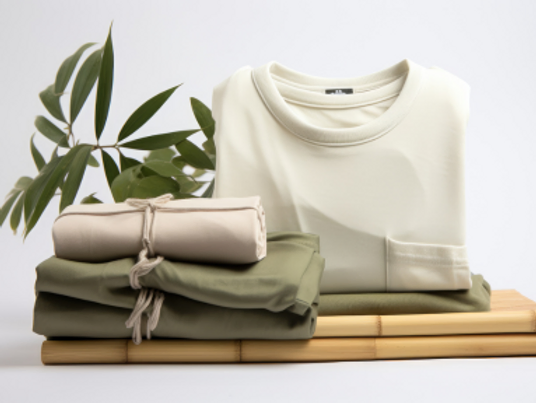
    Folded cream and olive t-shirts on a bamboo board beside green leaves

    Sustainable Clothing/Apparel: Unveiling the Journey from Design to Disposal in the UAE

    Sustainable clothing has emerged as a beacon of change in the fashion industry, addressing environmental and ethical concerns associated with traditional garment production. From the initial design phase to the final disposal, the journey of sustainable apparel encompasses various stages aimed at minimizing environmental impact and promoting ethical practices. Let’s delve into the multifaceted journey of sustainable apparel, highlighting key stages and practices that contribute to a more environmentally and socially responsible fashion industry.

    Design Phase:

    The journey of sustainable apparel begins at the design phase, where the emphasis is on creating garments that prioritize eco-friendly materials, efficient production processes, and timeless designs. Sustainable fashion designers carefully select materials such as organic cotton, recycled polyester, or Tencel® lyocell, which have lower environmental footprints than conventional fabrics. Designers also focus on creating versatile and durable pieces that withstand trends and encourage longevity, reducing the need for frequent replacements and minimizing waste. Designers in the UAE also draw inspiration from local culture and heritage, incorporating traditional craftsmanship and artisanal techniques into their designs, fostering a sense of sustainability and cultural preservation.

    Ethical Sourcing and Production:

    Ethical sourcing and production are central to the sustainable apparel journey in the UAE. Once the design is finalized, the next stage of the journey involves sourcing materials and manufacturing garments ethically and transparently. Sustainable apparel brands prioritize working with suppliers and manufacturers that adhere to fair labour practices, provide safe working conditions, and minimize environmental impact. By ensuring transparency and accountability throughout the supply chain, brands can uphold ethical standards and support the well-being of workers involved in garment production.

    Eco-Friendly Manufacturing:

    During manufacturing, sustainable apparel brands utilize eco-friendly production techniques that minimize resource consumption, energy usage, and waste generation. Practices such as water-saving dyeing processes, energy-efficient machinery, and zero-waste manufacturing help reduce the environmental footprint of garment production. Additionally, some brands implement innovative technologies like 3D knitting or digital printing to optimize material usage and eliminate fabric waste. Some brands even invest in on-site renewable energy sources such as solar panels to power their manufacturing operations, further reducing their carbon emissions.

    Distribution and Consumption:

    As sustainable garments make their way to consumers, brands focus on reducing the environmental impact of distribution and consumption. This includes utilizing eco-friendly packaging materials, implementing carbon-neutral shipping practices, and promoting responsible consumption habits among customers. Brands may also offer repair and recycling programs to extend the lifespan of garments and minimize end-of-life waste. Additionally, brands in the UAE implement take-back programs and recycling initiatives to ensure that garments are disposed of responsibly at the end of their life cycle.

    End-of-Life Disposal:

    The journey of sustainable apparel in the UAE concludes with responsible end-of-life disposal practices. Brands collaborate with recycling facilities and textile recycling programs to ensure that garments are recycled or repurposed rather than ending up in landfills. Some brands also offer repair services to extend the lifespan of garments, promoting a circular economy and minimizing waste.

    The journey of sustainable apparel from design to disposal represents a holistic approach to fashion that prioritizes environmental stewardship, ethical practices, and social responsibility. By embracing sustainable principles throughout the supply chain, from sourcing and production to distribution and disposal, the fashion industry can pave the way for a more sustainable future.

    Through collaboration, innovation, and consumer education, sustainable apparel is continuously evolving, offering a path towards a more equitable and environmentally conscious fashion industry. Contact us at info@timesclothing.com for sustainable apparel, which can also be  customised to your requirements.

  • 5 Ways to Seamlessly Integrate Custom Merchandise into Your Marketing Strategy

    5 Ways to Seamlessly Integrate Custom Merchandise into Your Marketing Strategy

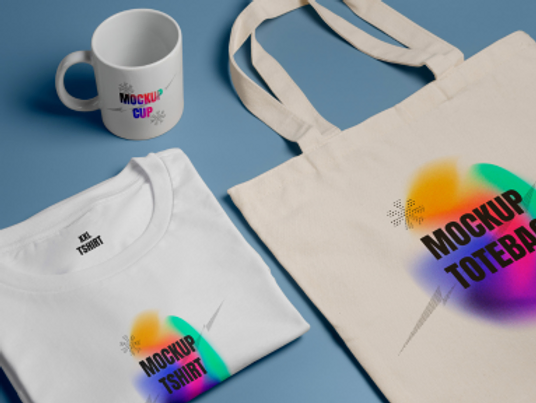
    Custom merchandise mockup with a mug, folded t-shirt and canvas tote bag

    5 Ways to Seamlessly Integrate Custom Merchandise into Your Marketing Strategy

    Did you know that 85% of consumers are more likely to remember a brand through promotional products, fostering a sense of loyalty that transcends transactions? Custom merchandise isn’t just about handing out freebies; it’s about forging lasting connections with your audience and carving out a niche in their hearts and minds. In a world inundated with digital noise, tangible items hold a unique allure, making them powerful tools in your marketing arsenal. 

    1. Cultivate Brand Loyalty Through Experiential Marketing: Custom merchandise serves as a tangible reminder of your brand’s ethos and values, creating memorable experiences that resonate with your audience long after the initial interaction. By offering exclusive merchandise at events or pop-up shops, you can foster a sense of belonging among attendees, turning them into loyal brand advocates.

    2. Amplify Brand Visibility Through Branded Apparel: Custom apparel transforms your employees, customers, and fans into walking billboards, extending your brand’s reach far beyond traditional advertising channels. Whether it’s a sleek polo shirt or a cozy hoodie, branded apparel transforms everyday wear into a powerful marketing tool, sparking conversations and driving brand awareness.

    3. Foster Engagement Through Gamification: Custom Clothing can be leveraged to gamify marketing campaigns, transforming passive observers into active participants eager to engage with your brand. Whether it’s a social media contest or a loyalty program, offering exclusive merchandise as rewards incentivizes participation and fosters a sense of excitement and anticipation. 

    4. Create Emotional Connections Through Personalization: Personalized merchandise goes beyond generic branding to create meaningful connections with individual customers, making them feel seen, valued, and appreciated. Whether it’s a monogrammed notebook or a custom-engraved pen, personalized merchandise adds a personal touch that resonates with recipients on a deeper level. 

    5. Drive Conversions Through Limited-Edition Releases: Custom merchandise can create a sense of urgency and exclusivity, driving conversions and boosting sales. By releasing limited-edition collections or collaborations, you can tap into the innate human desire for rarity and uniqueness, compelling customers to act quickly before items sell out. 

    Custom merchandise is not just promotional swag; it’s a potent tool for building brand loyalty, driving engagement, and amplifying visibility. By integrating custom merchandise into your marketing strategy in innovative and strategic ways, you can create meaningful connections with your audience and gain a competitive edge in today’s crowded marketplace. 

    Get in touch with us for a full range of custom apparel including uniforms, retail merchandise, fast fashion, and activewear. Whether you’re looking for wholesale custom clothes or print custom t-shirts, our variety of custom-printed apparel and accessories offers endless alternatives for t-shirt customisation.

    For small businesses, personalised goods and apparel can significantly boost customer loyalty and brand awareness, helping your business stand out in the competitive market.

  • How to Build a Strong Brand Identity in the Fashion Industry

    How to Build a Strong Brand Identity in the Fashion Industry

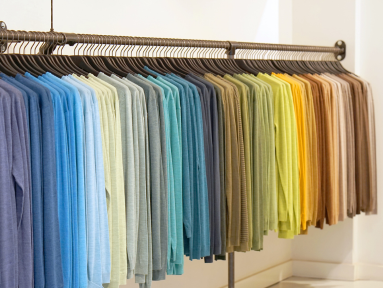
    Rail of long-sleeve shirts arranged in a blue-to-yellow colour gradient

    How to Build a Strong Brand Identity in the Fashion Industry

    Nearly 70% of consumers prefer to buy from brands that reflect their values. In the fashion industry, where trends change rapidly, building a strong and recognizable brand identity is essential for standing out and creating meaningful connections with customers. In a dynamic market like the UAE, which combines international influences with distinctive local cultural trends, developing a memorable brand identity is more important than ever. For clothing companies partnering with the best clothing manufacturer in the UAE or working with specialized UAE clothing manufacturers, a distinctive and authentic brand identity can become the foundation for long-term success. Here’s a step-by-step guide to creating a strong brand identity that helps your fashion brand stand out in Dubai and beyond.

    1. Define Your Brand Purpose and Values

    Every successful brand starts with a clear purpose and a strong set of core values. What does your brand stand for? Are you focused on sustainability, innovative design, affordability, or luxury? Defining these pillars will guide your business strategy and help customers connect with your brand on a deeper level. A purpose such as eco-friendly fashion can also influence your choice of suppliers and manufacturing partners, including clothing manufacturers in Dubai that prioritize sustainable materials and responsible production. How: Write down your brand’s purpose and identify three to five core values. Make sure these values are reflected throughout your business, from product design and manufacturing to customer service and marketing.

    2. Understand Your Target Audience

    To build a brand that resonates with customers, you need to understand who they are and what they want. Are you targeting high-end buyers in Dubai, young fashion-conscious consumers, or customers looking for affordable and stylish everyday clothing? Understanding your audience will help you create products and messaging that match their expectations. How: Create detailed buyer personas representing your ideal customers. Consider their age, lifestyle, purchasing motivations, interests, spending habits, and preferred styles. These insights can guide everything from marketing strategies to selecting the right UAE clothing manufacturer for your product line.

    3. Develop a Unique Visual Identity

    In fashion, visual elements are often the first way customers experience a brand. Your logo, colour palette, typography, photography, packaging, and overall design style all contribute to your brand identity. Iconic brands such as Chanel and Nike demonstrate how powerful a consistent visual identity can be. For a UAE-based fashion brand, you can also consider subtle colours, patterns, or design elements inspired by the region while maintaining a modern and international appeal. How: Work with a professional designer to develop a cohesive visual identity, including your logo, brand colours, typography, and supporting graphic elements. Maintain consistency across your website, social media platforms, packaging, and other marketing materials.

    4. Choose Quality Over Quantity in Manufacturing

    Your brand identity is closely connected to the quality of your products. Partnering with the best clothing manufacturer in the UAE can significantly influence how customers perceive your brand. High-quality fabrics, precise craftsmanship, reliable production, and attention to detail can improve customer satisfaction and demonstrate your commitment to excellence. How: Research reputable UAE clothing manufacturers and request product samples before making a long-term commitment. Evaluate fabric quality, stitching, finishing, production capabilities, and consistency. Choose a manufacturing partner whose capabilities and values align with your brand.

    5. Craft a Consistent Brand Voice

    Your brand voice should remain consistent across every customer touchpoint, from social media captions and website content to email campaigns and product descriptions. Whether your brand is playful, sophisticated, minimalist, bold, or edgy, your communication style should reflect your personality and appeal to your target audience. How: Create a simple brand voice guide for your team. Define your preferred tone, language style, key phrases, and communication principles. This will help ensure that every message sounds like it comes from the same brand.

    6. Engage on Social Media with Purpose

    Social media is one of the most powerful tools for building a fashion brand identity. Platforms such as Instagram, TikTok, and Pinterest allow fashion brands to showcase their products, tell their stories, and interact directly with their audiences. Behind-the-scenes content, styling tips, product launches, customer stories, and educational content can help create a stronger connection with your followers. How: Develop a social media content calendar with a balanced mix of product features, educational posts, lifestyle content, customer testimonials, behind-the-scenes material, and brand stories. Consistent and meaningful content can reinforce your brand identity and build a loyal community.

    7. Collaborate with Local Influencers and Brand Ambassadors

    Influencer marketing can be an effective way to increase brand awareness in the UAE. Collaborating with influencers whose values and audience align with your brand can help introduce your products to relevant customers. Local influencers can also provide valuable cultural insight and help new brands establish credibility within the UAE market. How: Identify influencers and content creators whose audience matches your target customers. Focus on authentic partnerships rather than simply choosing influencers based on follower count. Create collaborations that naturally fit your brand identity and messaging.

    8. Leverage Cultural Elements

    The UAE combines rich cultural traditions with a modern, international outlook. Fashion brands can incorporate subtle cultural influences into their identity while maintaining a contemporary aesthetic. Traditional patterns, regional design influences, colours, or storytelling elements can help create a distinctive brand experience when used thoughtfully and authentically. How: Research cultural references, design preferences, colours, and styles that resonate with UAE audiences. Work with designers to incorporate appropriate elements without compromising your brand’s overall identity.

    9. Highlight Sustainability and Ethical Practices

    Sustainability has become an important consideration for many modern consumers. By adopting responsible manufacturing practices and working with sustainable clothing manufacturers in the UAE, fashion brands can demonstrate their commitment to environmental and ethical responsibility. Using responsibly sourced fabrics, reducing production waste, improving packaging, and adopting efficient manufacturing processes can all contribute to a more sustainable brand image. How: If sustainability is one of your core values, consider working with sustainable fabric manufacturers in the UAE. Clearly communicate your sustainability initiatives through your website, product descriptions, social media, and other marketing channels.

    10. Stay Adaptable and Evolve

    Fashion trends are constantly changing, and successful brands need to evolve while remaining true to their core values. A strong brand identity does not mean remaining exactly the same forever. Instead, it means having a recognizable foundation while adapting your products, communication, and customer experience to changing expectations. How: Regularly collect customer feedback, monitor industry trends, and evaluate your brand performance. Use these insights to refine your strategy while maintaining the core values that make your brand unique.

    Build a Brand That Lasts

    Building a strong fashion brand identity is an ongoing process. It requires a clear purpose, consistent communication, quality products, authentic customer engagement, and a deep understanding of your target market. By defining your values, developing a distinctive visual identity, choosing quality manufacturing partners, and connecting authentically with customers, you can create a fashion brand that stands out in the competitive UAE market. For businesses working with leading UAE clothing manufacturers or clothing manufacturers in Dubai, these strategies can help create a brand that not only attracts attention but also builds trust, loyalty, and long-term customer relationships.