Choosing the right t-shirt printing method is crucial for any business offering high-quality custom t-shirts. Understanding the different printing techniques available can help you make informed decisions that affect your brand image, production costs, product quality, and customer satisfaction.
In this guide, we’ll explore the most popular t-shirt printing methods and explain how to choose the one that best suits your business needs.
Before choosing a specific printing method, it is important to understand the main options available today. The most popular techniques include:
Screen Printing
Direct-to-Garment (DTG) Printing
Heat Transfer Vinyl (HTV)
Dye Sublimation
Embroidery
Each method has its own strengths and limitations. The right choice depends on factors such as your business model, target audience, order volume, budget, fabric type, and design requirements.
Screen printing is one of the most established and widely used t-shirt printing methods. It is particularly popular for bulk orders because it can produce consistent, vibrant prints across large quantities of garments.
The process involves creating a stencil or screen for the design and pushing ink through the screen onto the fabric. Separate screens are generally required for different colours.
High Quality and Durability: Produces vibrant prints that can withstand repeated washing when properly applied and cured.
Cost-Effective for Large Orders: Setup costs can be spread across a larger number of garments, making the method economical for bulk production.
Versatile: Can be used on various fabrics, including cotton, polyester, and some blends.
Consistent Results: Suitable for producing large quantities with uniform designs.
Higher Setup Requirements: Each colour typically requires a separate screen, increasing preparation time and cost.
Less Suitable for Highly Detailed Designs: Photographic images, gradients, and extremely intricate artwork can be more challenging.
Less Cost-Effective for Small Orders: Setup costs can make small production runs relatively expensive.
Direct-to-Garment (DTG) printing is a digital printing technique that uses specialized inkjet technology to print designs directly onto garments.
It is particularly useful for businesses offering personalized custom t-shirts, small-batch production, and designs containing many colours or fine details.
Suitable for Small Orders: Ideal for one-off products and small production runs.
High Detail: Excellent for complex graphics, photographs, illustrations, and multi-colour designs.
No Screen Setup: Designs can be printed digitally without creating separate screens.
Soft Print Feel: On suitable garments, the ink can provide a relatively soft finish.
Higher Cost Per Garment: It can be more expensive than screen printing for large production runs.
Fabric Compatibility: DTG generally performs best on cotton or cotton-rich garments, although specialized systems can support other materials.
Production Speed: It may be slower than screen printing for very large orders.
Heat Transfer Vinyl (HTV) involves cutting a design from a sheet of heat-transfer vinyl and applying it to the garment using heat and pressure.
This method is popular for personalized t-shirt printing, especially when businesses need names, numbers, logos, or simple graphics.
Excellent for Personalization: Ideal for names, numbers, logos, and individual designs.
Suitable for Small Orders: Works well for one-off garments and small batches.
No Traditional Screen Setup: There is no need to create printing screens.
Available in Various Finishes: Vinyl can be found in different colours and specialty finishes.
Limited Design Complexity: Highly detailed or multi-colour artwork can require significant preparation.
Reduced Breathability: Large vinyl areas can create a heavier feel and reduce the breathability of the garment.
Manual Preparation: Weeding and applying individual designs can become time-consuming for larger orders.
Dye sublimation is a specialized printing technique that uses heat to transfer dye into polyester fibres. The result is a vibrant print that becomes integrated into the fabric.
This method is particularly suitable for sportswear, activewear, and full-colour polyester garments.
All-Over Printing: Allows designs to cover large areas of the garment.
Vibrant Colours: Produces bright and detailed designs.
Excellent Durability: The dye becomes part of the polyester fibres, reducing issues such as cracking and peeling.
Ideal for Polyester: Particularly effective for sportswear and performance apparel.
Limited Fabric Compatibility: Best suited to polyester or polyester-rich fabrics.
Best on Light-Coloured Fabrics: Standard sublimation works most effectively on white or light-coloured polyester.
Specialized Equipment: Requires suitable printers, inks, transfer paper, and heat-pressing equipment.
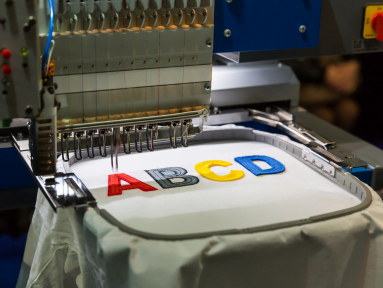
Embroidery creates designs by stitching coloured threads directly onto the garment. Although it is not technically a printing method, it is a popular customization technique for branded apparel.
Embroidery is particularly suitable for corporate clothing, polo shirts, uniforms, jackets, and premium garments.
Professional Appearance: Creates a textured, premium finish.
Highly Durable: Properly applied embroidery can withstand frequent washing and regular use.
Excellent for Branding: Ideal for company logos, names, and simple designs.
Suitable for Heavier Garments: Works particularly well on polo shirts, jackets, uniforms, and other structured apparel.
Higher Cost: Complex or large embroidery designs can be more expensive.
Limited Detail: Very fine details and photographic images are not suitable for embroidery.
Additional Weight: Large embroidered areas can add weight and stiffness to lightweight garments.
Selecting the right method depends on several factors.
For large quantities, screen printing is often a cost-effective option because setup costs can be distributed across many garments.
For smaller orders or individual custom t-shirts, DTG and HTV can provide greater flexibility.
For detailed, photographic, or multi-colour artwork, DTG can be an excellent option.
For bold graphics with a limited number of colours, screen printing can provide excellent results.
For names, numbers, and simple logos, HTV is often practical.
For full-colour designs on polyester, dye sublimation is particularly effective.
Fabric compatibility is an important consideration.
Cotton: Screen printing and DTG are commonly suitable.
Polyester: Dye sublimation is particularly effective for suitable light-coloured garments.
Cotton-polyester blends: Screen printing, selected DTG systems, and heat-transfer methods may be appropriate depending on the garment.
Polo shirts and structured garments: Embroidery is often an excellent choice.
Always confirm compatibility with your printing provider before starting production.
Your budget should include both setup and per-unit costs.
Screen printing may require greater initial preparation but can become highly economical for large orders. DTG and HTV generally have lower setup requirements but can have higher per-unit costs, particularly at larger volumes.
The printing or customization method should match the image you want your brand to communicate.
For example, embroidery can create a premium and professional appearance, while DTG can be ideal for detailed artistic designs. Screen printing works well for bold, recognizable branding, while dye sublimation is particularly suitable for vibrant sportswear.
| Printing Method | Best For | Main Advantage |
|---|---|---|
| Screen Printing | Bulk orders and bold designs | Durable and cost-effective at volume |
| DTG Printing | Detailed designs and small batches | Excellent detail and colour flexibility |
| HTV | Names, numbers, and personalization | Flexible for small custom orders |
| Dye Sublimation | Polyester and sportswear | Vibrant all-over designs |
| Embroidery | Logos and premium branding | Professional and durable finish |
Choosing the right t-shirt printing method is essential for producing high-quality custom t-shirts that meet customer expectations and represent your brand effectively.
Whether you choose screen printing, DTG, HTV, dye sublimation, or embroidery, each method offers unique advantages for different applications.
Before making a decision, consider your order volume, design complexity, fabric type, budget, desired durability, and brand image.
In Dubai’s competitive apparel market, offering high-quality custom t-shirt printing can help your business stand out and build stronger customer relationships. By understanding the strengths and limitations of each customization method, you can select the right solution for your products and deliver garments that combine quality, style, and value.

WhatsApp us