
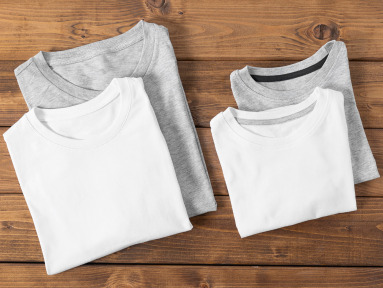
Sustainability is no longer just a trend; it represents a movement toward a more responsible and eco-friendly future. As more people become aware of the environmental impact of their purchasing decisions, the fashion industry is also changing the way it produces clothing and textiles.
One of the key materials in sustainable fashion is organic cotton. It can help reduce the environmental impact of cotton production while supporting more responsible farming practices, making it an important choice for ethical designers, sustainable fabric manufacturers, and responsible suppliers.
Organic cotton is grown using farming methods designed to reduce reliance on synthetic chemicals and genetically modified organisms (GMOs). Organic farming practices can include crop rotation, natural pest management, composting, and other methods that support soil health and biodiversity.
Sustainable fabric manufacturers play an important role in bringing organic cotton into the fashion supply chain. By sourcing and processing responsibly produced organic cotton, they can provide brands with more environmentally conscious textile options.
To understand the importance of organic cotton in sustainable fashion, it is useful to consider the environmental challenges associated with conventional cotton farming.
Cotton production can require significant amounts of water, land, fertilizers, and pesticides. A commonly cited estimate from the World Wildlife Fund (WWF) suggests that producing the cotton needed for one conventional cotton T-shirt can require around 2,700 litres of water, although actual water consumption varies depending on farming methods, location, and climate.
Conventional cotton farming can also involve pesticides and synthetic fertilizers that, when poorly managed, may contribute to soil degradation and water pollution.
Organic cotton farming avoids the use of most synthetic pesticides and fertilizers permitted under conventional farming systems, helping to support healthier agricultural ecosystems and reduce potential chemical pollution.
Organic cotton farming can have a lower environmental impact when compared with conventional production methods. Instead of relying heavily on synthetic pesticides and fertilizers, organic farming uses practices such as crop rotation, composting, and natural pest management.
These methods can help support soil health, biodiversity, and more responsible resource management.
Sustainable fabric manufacturers that source certified organic cotton can help fashion brands incorporate more environmentally responsible materials into their collections.
Water scarcity is a significant environmental challenge in many parts of the world, and cotton farming can require substantial water resources.
Organic cotton can be grown using rain-fed agriculture in suitable regions, reducing reliance on irrigation. However, the actual water savings depend on factors such as climate, location, farming practices, and whether the cotton is rain-fed or irrigated.
Choosing responsibly sourced organic cotton can therefore be one part of a broader strategy for reducing the water impact of textile production.
Organic farming practices can help maintain healthier soil by encouraging crop rotation, composting, and natural soil management.
Healthy soil can improve agricultural resilience and support biodiversity. Avoiding many synthetic pesticides also reduces the risk of chemical exposure to surrounding ecosystems and wildlife.
For sustainable fabric manufacturers, maintaining responsible sourcing practices is an important step toward building a more sustainable textile supply chain.
Organic cotton can also contribute to safer working environments by reducing farmers’ exposure to certain synthetic agricultural chemicals.
Certification programs such as the Global Organic Textile Standard (GOTS) establish requirements covering organic fibres as well as environmental and social criteria throughout the textile processing chain.
However, organic certification and fair labour certification are not identical. Brands should review the specific certifications and standards associated with their suppliers to understand the social and environmental requirements being met.
Organic cotton is valued for its softness, breathability, and versatility. Because cotton is a natural fibre, it can be a comfortable choice for everyday clothing, including t-shirts, shirts, dresses, and other garments.
The softness and comfort of a finished garment depend on several factors, including fibre quality, yarn construction, fabric structure, finishing processes, and garment manufacturing—not simply whether the cotton is organic.
For consumers with sensitive skin, choosing clothing made from responsibly processed materials can also be an appealing option.
One of the main challenges associated with organic cotton is cost. Organic cotton production can involve more labour-intensive farming practices, certification requirements, and supply-chain management. These factors can make organic cotton more expensive than conventional cotton in some markets.
Higher costs can be particularly challenging for smaller fashion brands working with limited budgets.
However, growing consumer interest in sustainable fashion presents significant opportunities. As demand for environmentally responsible products increases, sustainable fabric suppliers and manufacturers are expanding their range of organic and recycled textile options.
Advances in agricultural practices, supply-chain management, textile processing, and certification systems may also help improve accessibility and efficiency over time.
As the fashion industry continues to focus on sustainability, organic cotton is expected to remain an important material for brands seeking more responsible alternatives.
Sustainable fabric manufacturers and suppliers play a key role in this transition by providing materials that can support environmental goals, responsible sourcing, and increasing consumer demand for transparency.
By choosing organic cotton, fashion brands can reduce their reliance on conventional agricultural inputs and offer customers products made with more responsible fibre choices.
Organic cotton is more than simply an alternative to conventional cotton. It represents an opportunity for the fashion industry to rethink how natural fibres are grown, processed, and incorporated into clothing.
By partnering with sustainable fabric manufacturers and suppliers that prioritize responsible sourcing and recognized standards, fashion brands can take meaningful steps toward reducing their environmental impact.
As consumers become more informed and demand more sustainable products, organic cotton will continue to play an important role in the development of a more responsible fashion industry.

WhatsApp us