
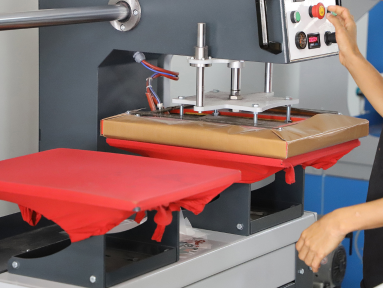
T-shirts have become one of the most universal fashion products, worn by people of all ages and backgrounds around the world. Custom printing services in Dubai make personalization easier through unique materials, creative designs, custom graphics, and individual branding. This flexibility has made t-shirts an essential product for fashion brands, businesses, sports teams, events, and organizations, especially in a dynamic market like Dubai.
If you want to create custom designs, choosing the right t-shirt printing technique is crucial. With a variety of printing options available, it is important to understand which method works best for your specific requirements, particularly if you are looking for high-quality, durable, and sustainable products.
This guide explores some of the most popular t-shirt printing techniques in Dubai, along with their benefits and limitations, to help you choose the right custom printing service for your needs.
Before choosing a t-shirt printing technique, consider the following factors:
Not every printing method works equally well on all fabric types. Some techniques are better suited to polyester, while others produce better results on cotton or cotton blends.
For example, dye sublimation works particularly well on polyester, while DTG printing is commonly used for cotton garments. If you are using thick, organic, or specialty fabrics, always confirm that the selected printing method is compatible with the material.
For large orders, production speed can be an important consideration. If your business needs hundreds or thousands of t-shirts within a short timeframe, choose a printing method that can handle high-volume production efficiently without compromising quality.
Budget is another important factor when selecting a printing technique. Some methods are more economical for small orders, while others become more cost-effective when producing larger quantities.
If you are considering in-house printing, also factor in equipment, ink, transfer materials, maintenance, labour, and setup costs.
Let’s explore some of the most effective methods for t-shirt printing.
Screen printing, also known as silk screen printing, is one of the most established and reliable methods for t-shirt printing. It produces vibrant, durable prints and is widely used by clothing brands for medium- and large-scale production.
Screen printing requires a separate screen or stencil for each colour in the design. Ink is pushed through the mesh screen onto the fabric using a squeegee. The process is repeated for each colour before the print is cured.
Screen printing is ideal for bold, simple designs, logos, promotional apparel, uniforms, and large-volume orders.
High-quality and durable prints
Excellent colour vibrancy
Cost-effective for larger orders
Ideal for bold and solid designs
Consistent results across large batches
Setup costs can be high for small orders
Less suitable for highly detailed, photographic designs
Multi-colour designs require additional setup
Preparation can take longer than some digital methods
Dye sublimation is an excellent option for printing on light-coloured polyester fabrics. The technique produces vibrant, full-colour designs that become integrated into the fabric rather than sitting as a heavy layer on top.
The design is printed onto specialized transfer paper using sublimation inks. Heat and pressure are then applied, causing the ink to turn into a gas and bond with the polyester fibres.
Dye sublimation is ideal for all-over prints, sportswear, activewear, and vibrant multi-colour designs on polyester garments.
Vibrant and long-lasting colours
Excellent for detailed designs
Print does not typically crack or peel like some surface-applied prints
Suitable for all-over designs
Lightweight print feel
Works best on polyester fabrics
Generally requires light-coloured garments
Not suitable for most cotton t-shirts
Less suitable for dark garments without specialized processes
Direct-to-Garment (DTG) printing is a popular digital printing method, particularly for small orders and highly detailed designs. It allows printers to produce full-colour artwork directly onto garments without creating screens or stencils.
A DTG printer applies specialized textile ink directly onto the garment. The ink is then cured to ensure the design adheres properly to the fabric.
DTG is well suited to small production runs, custom orders, artwork with multiple colours, photographs, illustrations, and detailed graphics.
Excellent for detailed and multi-colour designs
Suitable for small batches and individual orders
No screen setup required
Allows easy design customization
Can produce a soft print feel on suitable garments
Generally more expensive per piece for large quantities
Requires specialized equipment
Results depend heavily on fabric composition and garment preparation
Some DTG processes may require additional treatment for dark garments
Heat transfer printing is a versatile option for producing customized t-shirts in smaller quantities. It is commonly used by startups, event organizers, small businesses, and individuals.
The design is printed onto a specialized transfer material. Heat and pressure are then applied using a heat press to transfer the design onto the garment.
Heat transfer printing is suitable for detailed graphics, photographs, names, numbers, promotional designs, and small-batch custom orders.
Suitable for small quantities
Works well with detailed and full-colour designs
Relatively simple production process
Flexible for customized orders
Suitable for a variety of applications
Print durability varies depending on the transfer material
Some transfers may feel heavier on the fabric
Large production runs may take more time
Certain transfer types may have limitations on fabric or garment colour
Vinyl cutting is a popular method for creating logos, names, numbers, and simple graphics. It is particularly common for sports jerseys, uniforms, promotional apparel, and personalized garments.
The design is cut from sheets of coloured or printable vinyl using a cutting machine. The unwanted material is removed, and the remaining design is heat-pressed onto the garment.
Vinyl cutting is ideal for text, numbers, logos, simple graphics, sportswear, uniforms, and personalized garments.
Durable and vibrant results
Excellent for names and numbers
Suitable for small customized orders
Available in a wide range of finishes
Works well for sports and promotional apparel
Not ideal for highly detailed or photographic designs
Large vinyl areas can affect the garment’s breathability and flexibility
Requires specialized cutting and heat-pressing equipment
Each colour may require separate preparation
As sustainable fashion continues to gain attention in Dubai and across the UAE, brands are increasingly looking for environmentally responsible printing and manufacturing solutions.
Choosing water-based or lower-impact inks, selecting responsibly sourced fabrics, reducing production waste, and using efficient printing processes can help brands reduce their environmental footprint.
Businesses can also consider organic cotton, recycled polyester, and other responsibly sourced materials when developing sustainable t-shirt collections.
The best printing method depends on several factors, including your fabric, design, order quantity, budget, and desired finish.
For example:
Large-volume orders: Screen printing
Detailed designs and small batches: DTG printing
Polyester sportswear: Dye sublimation
Small customized orders: Heat transfer printing
Names, numbers, and logos: Vinyl cutting
All-over polyester designs: Dye sublimation
It is also important to consider the expected durability, washing requirements, fabric composition, and appearance of the finished garment before selecting a printing technique.
Selecting the right printing technique can make a significant difference to the appearance, durability, comfort, and overall quality of your custom t-shirts.
Whether you are an established fashion brand, a startup, a corporate business, a sports team, or an individual looking for personalized apparel, understanding the differences between screen printing, DTG, dye sublimation, heat transfer, and vinyl printing can help you make an informed decision.
By partnering with the right t-shirt printing service in Dubai, you can create high-quality, customized garments that reflect your brand identity, meet your customers’ expectations, and support your production goals.
As demand for personalized fashion and branded apparel continues to grow, choosing the right printing technique can help your t-shirts stand out in Dubai’s competitive fashion and apparel market.

WhatsApp us