
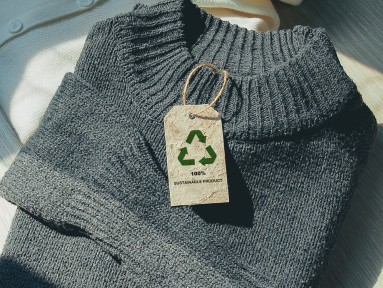
Did you know that the fashion industry generates an estimated 92 million tons of textile waste annually? The production process contributes significantly to this waste. For UAE clothing manufacturers, embracing sustainable practices can help reduce waste while creating opportunities to lower fabric costs and improve overall production efficiency.
Here’s how adopting sustainable approaches can revolutionize fabric usage in garment factories while supporting global sustainability goals.
Fabric waste occurs at multiple stages of garment production, from design and material selection to cutting and sewing. A significant amount—approximately 10–20% of fabric—can be lost during the cutting process alone. For UAE clothing manufacturers, this inefficiency can directly impact profitability, especially as raw material prices rise and competition increases.
While fabric waste is a global issue, it is particularly relevant for businesses aiming to establish themselves as the best clothing manufacturer in the UAE. Shifting toward sustainable production practices can help reduce waste, lower operating costs, and meet the growing demand for eco-friendly products.
Traditional cutting methods can result in considerable material waste. However, advanced cutting machines, combined with automated nesting software, can maximize fabric utilization. These systems analyze garment patterns and arrange them efficiently, fitting them together like puzzle pieces to reduce unused fabric.
Smart cutting technology can significantly improve production efficiency and reduce material costs. Working with sustainable fabric suppliers that provide accurately measured or prepared materials can further streamline the manufacturing process.
Effective pattern planning is another important way to minimize fabric waste. By using CAD (Computer-Aided Design) systems, manufacturers can digitally arrange garment patterns before cutting. This helps ensure maximum fabric utilization and minimal waste.
CAD tools also allow manufacturers to make real-time adjustments based on different fabric widths, garment sizes, and design requirements.
Choosing the right fabric is essential for reducing waste. Materials such as organic cotton, recycled polyester, and bamboo can support more sustainable manufacturing practices when sourced responsibly.
Working with sustainable fabric manufacturers allows factories to access eco-friendly materials that are suitable for efficient and responsible production processes.
Circular manufacturing, which focuses on reusing and repurposing materials, is gaining popularity in the garment industry. Fabric offcuts and scraps can be transformed into accessories, patchwork garments, reusable bags, packaging materials, and other products.
UAE clothing manufacturers can adopt these practices to reduce landfill waste while creating additional value from materials that would otherwise be discarded.
Artificial intelligence is transforming modern garment manufacturing. AI-powered tools can help predict material requirements, optimize pattern layouts, identify production inefficiencies, and improve resource management.
AI-driven ERP (Enterprise Resource Planning) systems can also track fabric usage throughout production cycles, providing valuable insights that manufacturers can use to reduce waste and improve efficiency.
As intelligent search platforms and AI-powered assistants become increasingly important, sustainable clothing brands can also benefit from optimizing their online presence. Using relevant SEO strategies and sustainability-focused content can help manufacturers become more discoverable to businesses and consumers searching for sustainable fabric suppliers and clothing manufacturers in the UAE.
The benefits of sustainable manufacturing extend beyond environmental responsibility. By reducing fabric waste, garment factories can improve production efficiency, lower material costs, and strengthen their profit margins.
Sustainable manufacturing can also provide businesses with a competitive advantage. As customers increasingly consider environmental responsibility when choosing suppliers, companies that demonstrate sustainable practices can build stronger brand credibility and long-term customer relationships.
For UAE clothing manufacturers, this represents a significant opportunity. With the UAE continuing to position itself as a hub for innovation and sustainability, adopting environmentally responsible production methods can support long-term business growth and resilience.
Although sustainable manufacturing offers significant benefits, the transition can present challenges. Implementing advanced cutting systems, automation, or sustainable sourcing practices may require an initial investment.
However, these investments can generate long-term savings through improved material utilization, reduced waste, and greater production efficiency. They can also strengthen a company’s reputation among environmentally conscious customers.
Education and employee training are equally important. Workers need to understand how to operate new technologies and implement low-waste production methods effectively. By developing a strong culture of sustainability, manufacturers can overcome these challenges and maximize the benefits of responsible production.
Reducing fabric waste isn’t just about cutting costs—it’s about taking greater responsibility for the environment. As consumers and businesses become more environmentally conscious, they increasingly prefer manufacturers that prioritize sustainable production.
For factories aiming to become the best clothing manufacturer in the UAE, adopting sustainable practices provides an opportunity to differentiate themselves in a competitive market.
By working with sustainable fabric suppliers, implementing AI-driven solutions, optimizing cutting processes, and embracing circular manufacturing, garment factories can reduce waste, improve efficiency, and contribute to a greener future.
At Times Clothing UAE, we prioritize efficiency, quality, and sustainability throughout our manufacturing processes. By working with reliable fabric suppliers and adopting modern production technologies, we aim to deliver high-quality garments while minimizing unnecessary material waste.
Looking to optimize fabric usage and improve your manufacturing efficiency? Let’s create a sustainable strategy that benefits both your business and the planet.
Contact Times Clothing UAE today to learn how we can help transform your garment manufacturing processes.

WhatsApp us